The Division of Cardiac Surgery provides consultative and therapeutic services for the surgical treatment of cardiac, pulmonary and esophageal diseases.
DoctorsAQDr. Arce Quesada MauricioMHDr. Mainieri Hidalgo Jose AlbertoView all 3
What is Aortic Aneurysm?
An aortic aneurysm is a weakened and bulging area in the aorta, the major blood vessel that feeds blood to the body.
Depending on the size of the aneurysm and on other factors, your doctor may recommend that surgery will be done.
How can Aortic Aneurysm be treated?
Currently the only effective treatment for aortic aneurysm is surgery. A patch or artificial piece of blood vessel is sewn where the aneurysm was to reinforce the aorta so that it does not burst again.
Open aneurysm repair:
A open abdominal or open chest surgery which involves removing the damaged section of the aorta and replacing it with a synthetic tube (graft), which is sewn into place.
Endovascular aneurysm repair (EVAR):
surgery is performed from within your aorta using catheters (thin long tubes). The catheters are entered through small incisions in the groin, and are used to guide and deliver a synthetic graft through the blood vessels to the site of the aneurysm. The graft reinforces the weakened section of the aorta to prevent rupture of the aneurysm.
About Aortic Aneurysm Surgery
Key facts to plan your treatment: how long it takes, your hospital stay, anaesthesia, risks and recovery.
Days admitted
Typically 7 days at the hospital
Anesthesia
General anesthesia
Recovery
After an open surgery it can take you between 4 weeks to 3 months to fully recover.
Endovascular surgery requires shorter recovery time.
Risks
Surgery to repair aortic aneurysm is a serious procedure that involves great risks.
Mortality rate from open repair surgery can be 4% or higher, depending on your condition and the quality of the surgeons.
After care
Information coming soon. Request a consultation for personalized recovery guidance. Get Quote →

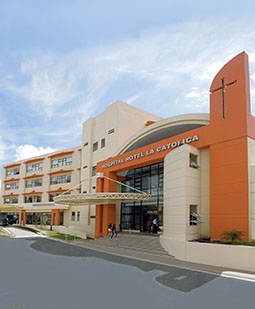 Private Hospital