Why have a bone density test?To predict your risk of having bone fractures.
For early detection of osteoporosisTo evaluate how well osteoporosis medications are working
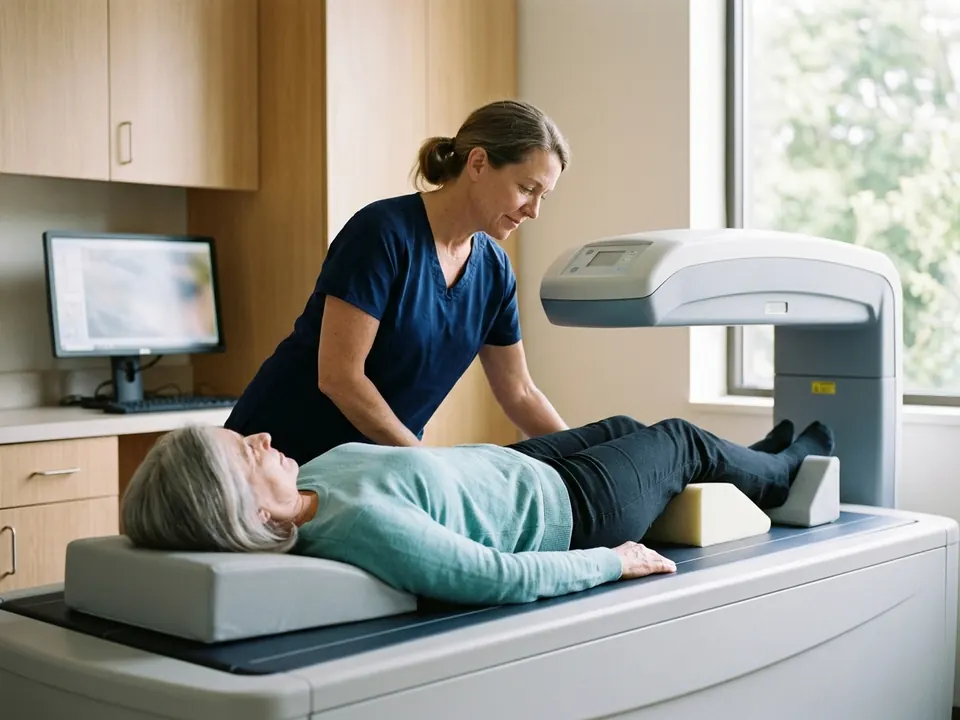
How is the test performed?There are several ways that a bone density test can be performed. The most common test is known as a dual-energy x-ray absorptiometry (DEXA) scan. A DEXA scan uses very low dose x-rays. DEXA scans can be classified into two types namely central DEXA and peripheral DEXA (p-DEXA).
- Central DEXA: It involves lying on a soft table and a scanner is passed over your hip and lower spine. In most cases, there is no need to undress. This test is the best in predicting your risk of bone fractures.
- Peripheral DEXA: Smaller machines are used to measure bone density in body areas such as the fingers, wrist, heel or leg.
How to prepare for the testInform your doctor if you suspect or are pregnant. During the test, you will be asked to remain very still. The scan is painless. The amount of radiation used in bone density testing is very slight.
Risk factors for osteoporosisWomen older than 65 years and men older than 70 years should have regular bone density tests and screening because they have an increased risk of osteoporosis. Other factors that increase the risk of osteoporosis include:
- Broken bones caused by normal activities such as a fragility fracture or a fall from standing height.
- Chronic rheumatoid arthritis
- Eating disorders
- Chronic kidney disease
- Early menopause
- Hormone treatment therapy for breast or prostate cancer
- Smoking
- History of osteoporosis in the family
- Taking corticosteroid medications for a prolonged period of time
- Taking thyroid hormone replacement
- Alcoholism
How often should I have a bone density test?If you are at risk of osteoporosis it is recommended to have BMD retesting every two years. However, you should discuss with your doctor as each case varies.
Normal ResultsYour test results are usually recorded as a T-score and a Z-score.
- T-score: This score results from a comparison of your bone density with that of a healthy young woman. A T-score is within the normal range if it is above -1.0. If your T-score is between -2.5 and -1 you may have osteopenia. If it is below -2.5 you most likely have osteoporosis.
- Z-score: This score results from a comparison of your bone density with that of other people of your gender, age, and race.
A negative number from either score is an indication that your bones are thinner than average. The more negative the score the higher your risk of osteoporosis or bone fractures.
What do abnormal results mean?
It is important to note that bone density testing does not diagnose bone fractures. It is used to help predict the risk of osteoporosis and bone fractures before they occur.
Your doctor will help you understand the results from the test and recommend ways of increasing your bone density.
Bone mineral density testing does not diagnose fractures. Along with other risk factors, you may have, it helps predict one’s risk of having a fracture in the future. Your provider will help you understand the results.
TreatmentYour total fracture risk is what determines the recommendations the doctor will give. The risk of fractures can be calculated using the FRAX score. Your doctor will recommend lifestyle changes such as eating diets rich in vitamin K, Vitamin D, calcium, and potassium.
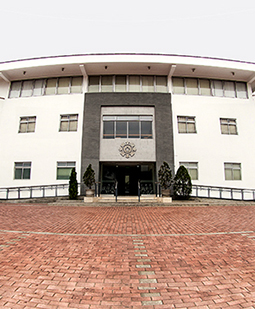 Private Clinic
 JCIPrice on request