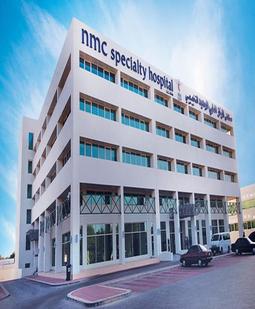
Al Zahra Hospital Dubai was established in 2013, with the main aim to provide premium medical care and comfort, through state-of-the-art equipment and world class medical experts providing personalized, attentive care in a state-of-the-art facility.
Colorectal cancer is an acronym that refers to cancer that begins in the colon called colon cancer and cancer that start at the rectum called rectal cancer. Thus, cancer affecting these parts is called colorectal cancer.
How colorectal cancer begins
A cancer condition occurs when cells in the body part start to grow out uncontrollably. In most cases, colorectal cancers start as a tumor on the inner lining of the rectum or colon called a polyp, which may then develop into cancer over the years. The most common types of polyps are hyperplastic and adenomas, which forms where there are issues with the manner in which cells repair and grow in the lining of the colon.
Preferences of the condition and measures to avoid it
The condition is common to people with; more than 50 years of age, inflammatory bowel disease, and history of ovarian cancer, breast, or family history of this cancer condition. Also lifestyle such as, lack of proper exercising, consuming a lot of processed meats and red meats, as well as obesity and excessive consumption of alcohol.
Precautions and Treatment
Screening tests should be carried out once you turn 50 for early diagnosis. The test involves the use of a tiny camera to screen the whole colon and rectum with the aim of finding polyps for early treatment.
About Colorectal Cancer Treatment
Key facts to plan your treatment: how long it takes, your hospital stay, anaesthesia, risks and recovery.
Anesthesia
Local Anesthesia for radiofrequency ablation and incision on the skin, General Anesthesia for incision through the abdomen and for surgery
Recovery
Radiation therapy is associated with infertility as well as sexual problems.
Chemotherapy may cause diarrhea, vomiting and mouth sores.
Surgery is associated with pain and tenderness in the operated area.
Risks
Infection especially at the sites where surgery was performed, bleeding, reactions to anesthesia, damage to nearby organs
After care
Information coming soon. Request a consultation for personalized recovery guidance. Get Quote →

 Private Hospital
 JCIPrice on request