Welcome to our Private Hospital, where a friendly and courteous team of medical specialists with a wealth of scientific knowledge and ethical standards is committed to taking care of your healthcare needs. Our goal is to provide unmatched medical care by constantly innovating and investing in the tr
A JCI accredited hospital, located 150 miles from the border with Texas, United States. The hospital is a full range tertiary care hospital, with five areas of excellence: Cardiology, Oncology, Neuroscience, Organ Transplant and Liver Disease.
Hospital CIMA Monterrey is an acute-care hospital that was originally a women's specialty hospital (formerly known as Hospital Santa Engracia) when it opened in 1996. It is located in San Pedro, Garza Garcia, a suburb of Monterrey, in Mexico.
A tertiary, modern, small hospital, which is part of the San Javier group of hospitals. The hospital employs 48 physicians in most medical specialties, and provides many services to accomodate private and foreign patients.
A small hospital offering healthcare services for women and their families, including cosmetic surgery, dermatology, gynecology, pediatrics, dermatology, bariatric surgery, internal medicine and infertility treatment.
The Department of Cardiovascular Surgery is one of the leading institutions of its kind in Mexico. Minimally invasive techniques such as off-pump bypass surgery without using a heart-lung machine have been applied to many patients.
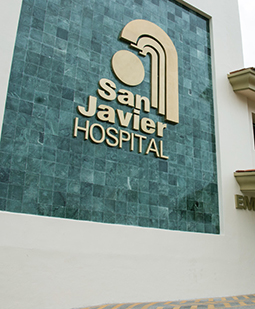
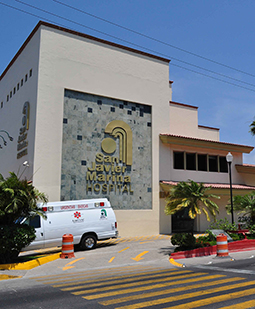
A 73 bed private, tertiary, full service hospital. San Javier Hospital is affiliated with 3,000 specialized, board certifies physicians, and offers the full range of medical specialties.
What is Coronary Artery Bypass Graft (CABG)?
Coronary artery bypass graft or CABG is a surgical procedure whereby a surgeon takes a vein or artery from a patient's chest, leg or arm and grafts it on to the blocked artery. This results in normal blood flow to the heart muscles.
What types of surgery are available?
Minimal Invasive Coronary Artery Bypass Surgery
For some patients, minimal invasive coronary artery bypass surgery may be an option. During this surgery, smaller chest and graft removal incisions are used. This enhances the recovery rate and lessens the risk of infection.
Off-pump Bypass Surgery
This is also know as 'beating heart surgery', and is carried out whilst the heart is still beating. The surgeon utilizes state-of-the-art equipment to stabilize sections of the heart and blocked artery, whilst the rest of the heart continues its normal function.
About CABG
Key facts to plan your treatment: how long it takes, your hospital stay, anaesthesia, risks and recovery.
Duration of surgery/treatment
CABG surgery normally takes from 3 to 5 hours.
Days admitted
If your CABG surgery has been planned, you may be admitted into the hospital the morning or afternoon before your surgery. On average, the hospital stay after a coronary artery bypass surgery is between five to seven days.
Anesthesia
General anesthesia.
Recovery
Recovery time varies from person to person. However, normally, patients recovering from CABG surgery can take between 6 to 12 weeks. Less recovery time is required for minimal invasive heart surgery and off-pump heart surgery.
For the first four weeks, it is advisable not to drive. Strenuous activity should be avoided. Patients can resume normal sexual activity, but should refrain from positions that may put to much strain on the chest or upper arms. Normally, you may return to work around six weeks after recovery or sooner if your job is non-strenuous.
Risks
In general, the mortality connected to CABG is 3-4%. Heart attacks take place in 5-10% of patients, either before or after CABG surgery. And strokes account for 1-2% of cases, normally in elderly patients.
Mortality and various complications are heightened in the following cases:
- Age (70 years and older)
- Diabetes
- Chronic lung disease and kidney failure
- Disease blocking the left main coronary artery
After care
The incision should be kept dry and clean and protected from bumps and scratches.
Swelling or aching in the legs may be experienced. Support stockings may need to be worn to help reduce the swelling. And walking daily will help improve circulation and lesson swelling.
The patient may also need to make lifestyle changes that may include: giving up smoking, weight control, dietary changes, participate in a monitored exercise program supervised by a professional, take prescribed medicine, follow-up visits to health care provider.

 Private Hospital
 JCIPrice on request




 ISO