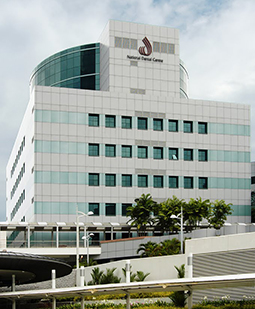
 Dental Center
Singapore
 JCI
 ISO
An institution providing full dental services from professionals in the field, purposing as a research and learning centre as well.
Price
Contact for quote
Dental Care care in Singapore
Details of dental clinics and medical centers in Singapore performing Prosthetic Dentistry.

Key planning information for prosthetic dentistry in Singapore.
Prosthetic Dentistry in Singapore is priced per case at 6 hospitals. Each hospital quotes its own price for your case.
Prosthetic Dentistry is listed by 6 hospitals in Singapore. The order reshuffles every hour so each gets equal exposure.
Dental CenterAn institution providing full dental services from professionals in the field, purposing as a research and learning centre as well.
 Private Hospital
A full service private hospital offering a comprehensive range of specialist services by a team of 200 physicians. 35-40% of the patients are foreigners, and there is a dedicated department for handling medical tourists.
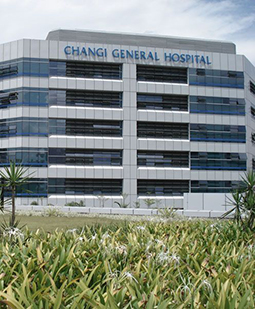 Public Hospital
A major hospital in the eastern side of Singapore, with a capacity of 790 beds and facilities to accommodate outpatients likewise.
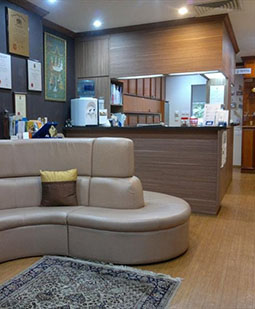 Dental Clinic
A dental care centre offering full mouth reconstructive procedures through the expertise of Dr. Juliet Tay.
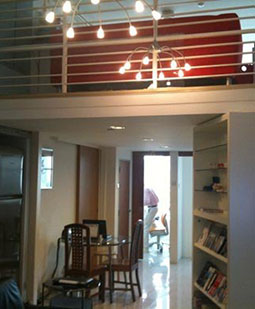 Dental Clinic
Your wellbeing is our priority. Our clinic is homely, friendly, state of the art equipment, infection control benchmarked against EU directive and focused on patient needs.
 Dental Clinic
A dental care facility offering a comprehensive range of dental services thru a team of dental specialists and surgeons.
Teeth may be missing due to several reasons, like trauma, dental decay or damage of connective tissue. Congenitally missing teeth aren't very uncommon, either. Prosthetic dentistry implies the replacement of soft tissue, missing teeth or all teeth by way of various artificial methods. Prosthetic dentistry as well entails the replacement of damaged teeth with crowns, that is replacing the noticeable section of the tooth.
There are both removable and fixed dental prostheses. Fixed prosthetic options use bridges and crowns, which are cemented to the mouth. Detachable prostheses include partial and full dentures.
A severely damaged tooth may be rectified by crowning. If you have extensive decay in a tooth and it has been filled many times or if the tooth has darkened, for instance, due to root canal therapy, crowning is an excellent treatment option. Crowning both improves the appearance of the tooth and strengthens it. The tooth which is to be crowned is ground into a tiny support pillar upon which the crown will be made. A dental technician creates an individual crown based on the patient's occlusion depending on casts created by a dentist, and it will be cemented to the tooth pillar. The crown may be made of gold, ceramics or different metal alloys, for example. If the tooth is lacking completely and replaced with an implant, the crown is fixed onto the implant.
One or numerous missing teeth may be replaced with an implant, bridge or partial denture. A bridge is fixed onto the teeth beside the missing tooth, and they will be crowned. Additionally, a gap caused by numerous teeth missing may be covered with a bridge. Similarly, as crowns, also bridges may be made from various materials.
As opposed to a bridge, a partial denture is a detachable prosthetic solution. A partial denture may be, for instance, a plate created from metal or acrylic plastic acrylic to which artificial teeth are fixed. When the partial denture is fitted into the mouth, the spaces resulting from missing teeth are covered by the teeth in the denture.
If you are missing all the teeth, a complete denture is used as the prosthetic alternative. A complete denture is a detachable device which replaces all the teeth. A whole denture can even be bonded in the mouth with some implants. In these instances, it may still be taken out for cleaning by oneself.
Getting accustomed to dental prostheses may take a while initially. Additionally, there is a constant adaptation of tissues happening in the mouth that may lead to reduced fit of the prosthesis. The fit of the prosthesis is examined with frequent visits to the dentist, and the prosthesis may be realigned if necessary. Good oral hygiene usually prolongs the longevity of dental prostheses. Correctly cleaned, a dental prosthesis may last forever.
It is good to stand over a folded towel or a sink of water when taking care of your denture, in the event, you unintentionally drop it. Brush the denture (ideally with a denture brush) everyday to get rid of plaque and food deposits, and keep it from getting permanently stained. Refrain from using a brush with tough bristles that may damage the denture. Pay special focus on cleaning teeth, which fit under the denture`s metal clasps. Plaque, which gets caught up under the clasps increases the risk of tooth decay.
Mild dishwashing liquid or hand soap to clean dentures is as well acceptable. Other kinds of household cleaners and a lot of toothpaste are too abrasive and must not be used for cleaning dentures. A denture can lose its proper shape if isn't kept moist. At bedtime, the denture must be placed in water or soaking solution. But if the appliance has metal attachments, they may be stained if placed in soaking solution.
Even with full dentures, you will still have to maintain a proper hygiene of your mouth. Each morning, brush your palate, gums, and tongue using a soft-bristled brush before putting in your dentures. This eradicates plaque and stimulates circulation in the mouth. Choosing a balanced diet for good nutrition is essential for maintaining a healthy mouth.
Key facts to plan your treatment: how long it takes, your hospital stay, anaesthesia, risks and recovery.
Common questions
Have a question? Get a free consultation.
Choose a hospital and send your enquiry to its international patient team. Each replies with its own price and plan.
Free consultation • No obligation