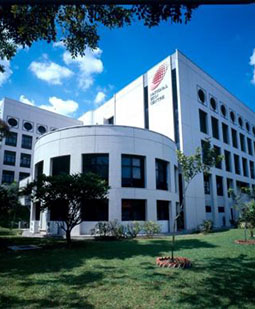
A full service private hospital offering a comprehensive range of specialist services by a team of 200 physicians. 35-40% of the patients are foreigners, and there is a dedicated department for handling medical tourists.
DoctorsHKDr. Harneet Kaur RanuCFDr. Chris FooView all 3
A tertiary healthcare facility for dermatological concerns. The National Skin Centre (NSC) is a medical facility specializing in dermatological cases. NSC is a main dermatology centered facility which provides outpatient services. Accommodate up to 950 patients
DoctorsAPAssoc. Prof. CHAN RoyGCProf. GOH Chee LeokView all 55
This is a skin condition that causes skin cells to multiply up to 10 times faster than normal. It results in red, flaky and crusty patches of skin covered with silvery scales. Psoriasis is a chronic condition that has periods with no symptoms to periods when symptoms are severe. Psoriasis patches or crusts can vary from a few spots of scaling to major patches that cover large areas of the skin. Psoriasis is not contagious and cannot be spread from person to person.
Types of psoriasis
Plaque psoriasis: This form is characterized by dry, raised lesions covered with silvery scales which occur anywhere on the body.
Pustular psoriasis: This form of psoriasis is characterized by red scaly skin with tiny pustules on the soles of feet and palms of the hands.
Guttate psoriasis: This form is characterized by tiny red spots mainly on the limbs and torso. It usually starts in childhood or young adulthood.
Inverse psoriasis: This form is characterized by shiny lesions which appear in skin folds such as the armpits, under the breasts and the groin area. The lesions are usually bright red.
Erythrodermic psoriasis: This form is characterized by periodic shedding of scales in sheets and a fiery redness of the skin. It requires prompt medical treatment.
Nail psoriasis: This is characterized by toenails and fingernails pitting, discoloring and having abnormal growth. The nails may also separate from the nail bed.
Scalp psoriasis: This form is characterized by red itchy areas with silvery scales that often extend past the hairline.
Psoriatic arthritis: This is characterized by the inflamed scaly skin. Joints become swollen and painful and may lead to permanent deformity.
Causes of psoriasis
People affected by psoriasis have an overproduction of skin cells. Skin cells in a person with psoriasis are replaced every few days as opposed to weeks resulting in a buildup of skin cells which create patches. Psoriasis symptoms usually worsen after being triggered by certain events such as:
Strep throat infections
Stress
Tonsillitis
Injury to the skin
Infection
Medications such as beta-blockers and antimalarials
Withdrawal from systemic psoriasis treatment
Severe sunburn
Diagnosis
Your doctor can often diagnose psoriasis by looking at the affected skin’s appearance.
In some cases, a biopsy may be taken to determine the exact type and also to rule out other skin disorders.
Your doctor may refer you to a dermatologist for further diagnosis and treatment.
Symptoms
Patches of red skin, usually covered with loose silvery scales
Itchy and painful lesions that may crack and bleed
Discoloration and pitting of the nails
Nails detaching from the nail bed
Patches of crust on the scalp
Pain, stiffness and swelling in the joints
Small scaling spots
Thickened nails that are pitted or ridged
Treatment
Psoriasis is uncomfortable and at times disfiguring with symptoms being difficult and frustrating to treat. Psoriasis has periods of flare-ups and remissions over a lifetime. Psoriasis has no cure but therapies and treatment are given to relieve symptoms. This include:
Topical treatment: These are applied to the skin to relieve itchiness and restore moisture. They include topical corticosteroids or vitamin D analogues.
Phototherapy: This is used if the case is severe and topical treatments do not work. It involves using certain types of ultraviolet light and exposing the skin to them.
Systemic treatment: If topical treatments and phototherapy do not work, oral and injected medicines may be given.
About Psoriasis Treatment
Key facts to plan your treatment: how long it takes, your hospital stay, anaesthesia, risks and recovery.
Recovery
Information coming soon. Request a consultation for personalized recovery guidance. Get Quote →
After care
Information coming soon. Request a consultation for personalized recovery guidance. Get Quote →
 Private Hospital
 JCI
 ISO