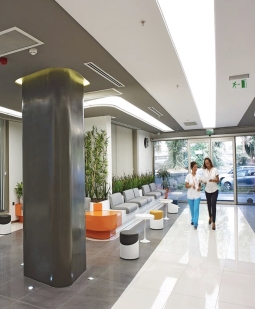
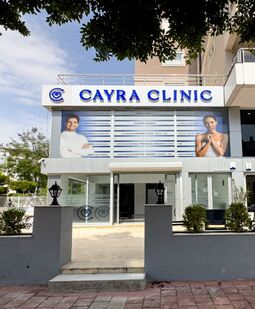
A private hospital in the center of Istanbul with 45 physicians from 16 medical specialties. Yunus Emre Hospital's medical tourism department is fully equipped to handle foreign patients, providing all necessary services.
Veni Vidi Eye Group is the oldest and the first eye hospital group with its over 30-years experience which applied the first laser treatment in Turkey. Our competent auxiliary staff and expert doctors have broken grounds by carrying out over 60.000 operations per year.
DoctorsESDr. Ertan Sunay, MDFHProf. Firat Helvacioglu, MDView all 15
An ophthalmologist is a medical doctor (MD) or a doctor of osteopathic medicine (DO) who specializes in eye and vision care. Ophthalmologists are trained to perform eye exams, diagnose and treat disease, prescribe medications and perform eye surgery.
DoctorsMLProf. Murat Levent AlimgilAPAssoc. Prof. Abdullah Kursat Cingu
We are a group of creative minds motivated by the happiness and satisfaction of our patients. Our people, with their talent, creativity, passion and dedication have made Medlife Group what it is today and they will continue to be a key driver of our success.
Retinoblastoma is a cancerous tumor of the retina, the thin slim nerve tissue, which lines the back of the eye that forms images and senses light. It might be matched against the film in a camera, which identifies images and sends them to the brain for interpretation. Retinoblastoma is often limited to the eye; however, if untreated, can result in metastasis or spreading to other body parts.
Stages of Retinoblastoma
To schedule treatment for retinoblastoma, your child's doctor must know the tumor's precise size and location to establish the stage of illness.
Intraocular retinoblastoma - Cancer is discovered in one or in both eyes but doesn’t extend beyond the eye into the tissues around the eye or even to other body parts.
Extraocular retinoblastoma - Cancer has spread beyond the eye, often through the optic nerve. It might be limited to the tissues around the eye, or it might have extended to other parts of the body.
Trilateral retinoblastoma - In a few patients with bilateral retinoblastoma, a similar tumor grows in the pineal gland at the base of the brain. The existence of these tumors may lead to other neurological symptoms and need neuroimaging of the brain for prognosis.
Recurrent retinoblastoma - Recurrent illness signifies that cancer has returned or advanced after it has been treated. It might reappear in the eye or anywhere else in the body.
Symptoms
Leukocoria (white pupil or cat's eye reflex).
Misaligned eyes (strabismus)
Blurred vision
Causes
Retinoblastoma might be nonhereditary or hereditary. The hereditary type might be in one or both eyes. Most retinoblastoma happening in only one eye isn't hereditary; when the illness takes place in both eyes it’s always hereditary. But, while less popular, retinoblastoma might happen in only one eye and might still be hereditary and passed on to kids.
Tests and Diagnosis
Your child's diagnosis and selection of treatment rely on the scope and location of the illness within and outside of the eye. As soon as retinoblastoma is discovered, additional exams will be carried out to ascertain the size of the tumor and if it has spread to surrounding tissue or even to other body parts.
Treatment and Drugs
The treatment plan considers both cures of cancer and preservation of vision or the affected eye, and consists of the following:
Enucleation — operation to take out the eye
Cryotherapy — making use of extreme cold to destroy cancer cells
Photocoagulation — making use of laser light to destroy blood vessels, which feed the tumor or to heat the tumors in order that chemotherapeutic drugs will be more effective.
External or internal beam irradiation therapy —making use of high-energy radiation from x-rays and other methods to shrink tumors and destroy cancer cells. Radiation might come from a machine outside the body (external-beam radiation therapy) or might be given by placing radioactive material into or close to the tumor (internal brachytherapy or internal plaque radiation therapy).
Chemotherapy —making use of drugs to destroy cancer cells. One type of chemotherapy, known as chemoreduction, is used to shrink the tumors size in order that even if not curative; the reduced tumors will be much more amenable to other treatment modalities. Chemotherapy might be given systemically (through a vein, by mouth, or with injections). In kids with retinoblastoma, chemotherapy drugs can also be injected:
Directly into the fluid, which surrounds the spinal cord and brain (intrathecal chemotherapy).
Directly into the artery, which feeds the eye (intra-arterial) for local treatment, which has lesser systemic side effects.
About Retinoblastoma Treatment
Key facts to plan your treatment: how long it takes, your hospital stay, anaesthesia, risks and recovery.
Recovery
Information coming soon. Request a consultation for personalized recovery guidance. Get Quote →
Risks
If your little one has retinoblastoma, especially the hereditary kind, there is a greater chance that in later years he or she might develop second cancer. These cancers are often not connected to the eye, and might affect any organ body organ, but especially the skin, bone, or soft tissue.
After care
Information coming soon. Request a consultation for personalized recovery guidance. Get Quote →
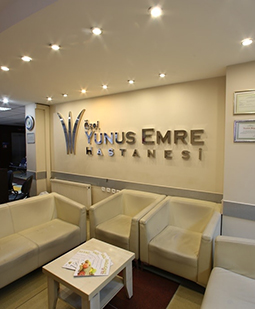 Private Hospital
 ISOPrice on request

 JCI