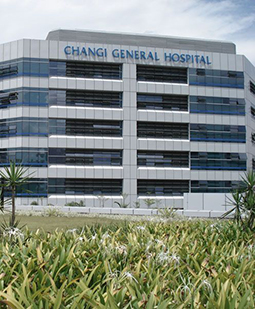
The urology specialists are some of the top surgeons in the region, and when combined with world-class modern technology, this expertise ensures each patient’s symptoms are carefully assessed with individual treatment plans specially designed to promote recovery.
DoctorsAPAssoc. Prof. Li Man KayTKDr. Tan Khiaw Ngiap JamesView all 12
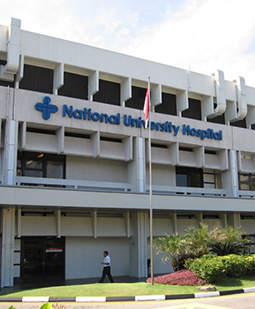
A 928 bed teaching hospital offering a full range of medical, surgical and diagnostic services. NUH serves as a refferal center for cancer patients, pediatrics, cardiology and other specialties.
DoctorsKEProf. Kesavan EsuvaranathanDTDr. David Terrence ConsigliereView all 8
What is Varicocele Repair?
Varicocele repair is a procedure carried out in order to improve male fertility, by removing the varicocele from the scrotum.
Although the exact way varicoceles affect male fertility is uncertain, varicoceles are believed to raise testicle temperature and cause a blockage of blood in the veins serving the testicles, decreasing sperm quality and quantity.
What are the methods of Varicocele Repair?
The most common Varicocele Repair procedures are as follows:
Open surgery: The surgeon makes an incision in the groin and cuts and ties the veins that produce the varicocele.
Laparoscopic surgery: The surgeon makes tiny incisions in the abdomen and inserts a small instrument to monitor and repair the varicocele.
Percutaneous embolization: This is a non-surgical procedure for varicocele repair. The doctor inserts a catheter through a large vein in the groin or the neck, and blocks the testicular vein with a balloon, coil or fluid. This procedure stops the blood flow to the varicocele and repairs the vein.
Does Varicocele Repair improve the chances of getting pregnant?
Conflicting evidence exists as to varicocele repair’s impact on improving pregnancy rates. Some research suggests varicocele repair increases the chances of pregnancy while others report no benefit to fertility.
About Varicocele Repair
Key facts to plan your treatment: how long it takes, your hospital stay, anaesthesia, risks and recovery.
Duration of surgery/treatment
Surgery (open or keyhole) for varicocele repair usually takes around 20 minutes. Percutaneous embolization may take up to 2 hours.
Days admitted
None – varicocele repair is completed on an outpatient basis.
Anesthesia
Surgery for varicocele repair is carried out under general anesthesia. Percutaneous embolization takes place under local anesthesia with a sedative.
Recovery
Patients go home around 4 hours after varicocele repair and resume normal activities after 2 days.
Full activity can be resumed after 1 or 2 weeks.
Risks
Risks include:
- Infection.
- Fluid build-up in the scrotum.
- Injury to arteries and nerves in the scrotum area.
- Varicocele repair may not improve the chances of pregnancy.
- Hematoma.
- Allergic reaction to the fluid used in the percutaneous embolization procedure.
After care
- Bathing or showering can be resumed 48 hours following surgery.
- Take Tylenol or ibuprofen to relieve pain.
- Keep the surgery area clean and dry.

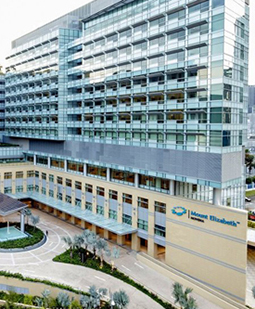 Private Hospital
 JCIPrice on request
 ISO