Key planning information for cardiac ablations in South Korea.
4–8 hrsProcedure time
2 hospitalsList cardiac ablations
Cardiac Ablations in South Korea is priced per case at 2 hospitals. The operation takes 4 to 8 hours. Each hospital quotes its own price for your case.
Hospitals and clinics offering Cardiac Ablations in South Korea
Cardiac Ablations is listed by 2 hospitals in South Korea. The order reshuffles every hour so each gets equal exposure.
The Samsung Medical Center plans to achieve medical innovation in the future to promote the happiness of patients and develop into a global hub of biohealth care study and link the industry by connecting to hospital-R&D Center-school and enterprises.
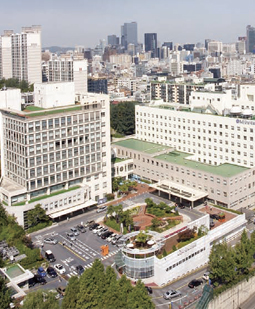
Yonsei University Health System (YUHS) was founded in 1885 as the first modern medical institution in Korea by the American medical missionary, Dr. Horace N. Allen.
What is Catheter Ablation?
Catheter ablation is a treatment procedure performed to treat some kinds of arrhythmia, in which there are problems related to the heartbeat rhythm.
How is Catheter Ablation Performed?
An ablation catheter, which is a thin, long and flexible tube, is inserted into a blood vessel in the arm, groin or neck.
The catheter is guided into the heart thought the blood vessel.
Radiofrequency (RF) energy is sent from a special machine through the ablation catheter into the heart.
Tissues of the heart where abnormal heartbeats occur are destroyed by the energy.
How to Prepare for Catheter Ablation?
A comprehensive electrophysiologic study (EPS) needs to be done before a catheter ablation procedure.
Various tests including chest X-ray, ECG and blood tests need to be conducted before the procedure.
Some medications need to be stopped a few days before the procedure.
Sedative medication will be given through an intravenous line.
About Cardiac Ablations
Key facts to plan your treatment: how long it takes, your hospital stay, anaesthesia, risks and recovery.
Duration of surgery/treatment
4 to 8 hours
Days admitted
Overnight, if there are no complications.
Anesthesia
Local anesthesia
Recovery
- The patient needs to stay in bed for 1 to 6 hours after the procedure.
- The patient is monitored using a telemetry monitor to observe the heart rate and rhythm.
- There may be chest discomfort and feelings of fatigue for about 2 days after the procedure.
- The patient should follow the doctor’s instructions carefully.
- If there is prolonged chest discomfort, the doctor should be informed immediately.
- Anti-arrhythmic medication needs to be taken after the procedure.
- The patient should not drive for a few days after the procedure.

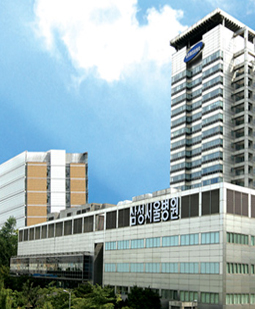 Samsung Medical Center
 ISOPrice on request
 JCI