Brachytherapy that involves using radioactive seeds is known as Permanent Brachytherapy. The radioactive seeds are placed in or near the tumor and are left there permanently. After many months, the radioactivity level of the implants reduces to nil. The seeds are inactive and remain in the patient’s body without any lasting effect.
Brachytherapy is used to treat cancers of the prostate, cervix, head and neck, skin, breast, gallbladder, uterus, vagina, lung, rectum, and eye.
How is Permanent Brachytherapy performed?
- A needle containing radioactive seeds is inserted into the tumor.
- The needle is removed and the radioactive seeds are placed inside the patient’s body.
- The physician may use X-rays and CT scans to position the seeds in the correct place.
- Other imaging tests may also be performed after the seeds have been implanted to verify the placement of the radioactive seeds.
How to prepare for Permanent Brachytherapy?
The patient may need to do some of the following preparations:
- Blood tests
- Pre-treatment ultrasound, CT scan or MRI
- Bowel preparation
- Chest X-rays
- Electrocardiogram
Side effects:
Side effects of brachytherapy differ according to the location of the tumor.
Acute side effects that last for a few days consist of the following:
- Localized bruising
- Bleeding
- Swelling
- Discomfort or discharge at the implant site
- Fatigue
Acute side effects of brachytherapy related to cervical or prostate cancer are:
- Urinary incontinence
- Urinary retention
- Painful urination
- Minor rectal bleeding
- Diarrhea
- Constipation
- Rare chance of seeds migrating outside the treatment site and into the bladder and passed in the urine
Acute side effects of brachytherapy related to skin cancer are:
- Shedding of the skin’s outer layer
- Ulceration
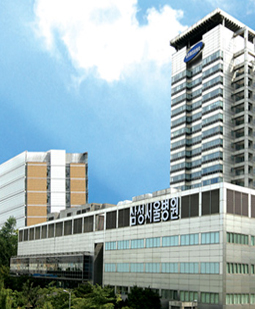 Samsung Medical Center
 ISOPrice on request
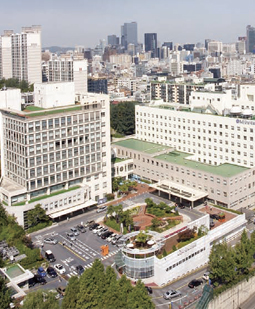
 JCI