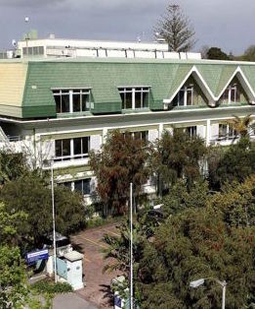
Life Healthcare is a leading private hospital operator in South Africa and primarily serves the market for privately insured individuals, representing approximately eight million people. The group provides mainly acute care, high technology private hospital services.
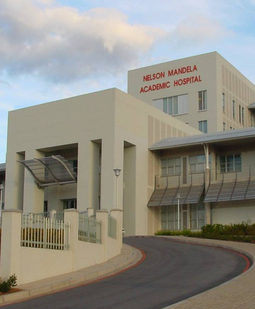
Nelson Mandela Academic Hospital is a large Provincial government funded hospital situated in central Mthatha in South Africa. It is a tertiary teaching hospital and forms part of the Mthatha Hospital Complex.
The extensive hospital network includes 64 hospitals (of which 57 are majority owned by Life Healthcare and another seven in which the group holds substantial minority ownership), providing a range of healthcare services throughout South Africa.
This is a hormonal disorder due to too much growth hormones in the body. Growth hormones are produced by the pituitary, a small gland in the brain. Excess growth hormones come from benign tumors on the pituitary called adenomas.
Symptoms of acromegaly include:
Swelling of the hands and feet
The brow and lower jaw protrude leading to teeth space out
Overgrowth of bone and cartilage leading to carpal tunnel syndrome
Numbness and weakness of the hands
Enlargement of body organs such as the heart
Joint aches
Thick, coarse, oily skin
Enlarged lips, nose, tongue, sinuses and vocal cords
Deepening of the voice
Sleep apnea
Excessive sweating and skin odor
Fatigue and weakness
Headaches and impaired vision
Menstrual cycle abnormalities and sometimes breast discharge in women
Erectile dysfunction and decreased libido
How is acromegaly diagnosed?Blood tests
Growth hormone levels: Your doctor will measure the growth hormone level in your blood to see if it is elevated. This test is accurate when done under conditions that suppress the secretion of growth hormones.IGF-I levels: Your doctor can also measure your Insulin-like Growth Factor levels which increase as Growth hormone increase.
Imaging
MRI: After diagnosis using blood tests, an MRI (Magnetic resonance imaging of the pituitary is done to locate the tumor causing the overproduction of the growth hormone and also to detect the size.CT scan: Computerized tomography scan can diagnose possible tumor sites.
Treatment options include:
Surgery: This is done if the tumor has not yet invaded surrounding nonpituitary tissues. After surgery, hormone levels have to be measured to determine whether a cure has been achieved, which can take up to several weeks because IGF-I lasts a long time in the body's circulation.
Medication: This option is done if the surgery does not normalize the hormone levels or a relapse occurs. Long-term therapy is necessary because their withdrawal can lead to rising growth hormone levels and tumor re-expansion.
Radiation therapy: This form of treatment is done on patients who are not good candidates for surgery or do not respond adequately to surgery and medication.
Side effects include:
Infertility
Vision loss and brain injury
Digestive problems such as loose stools, nausea, and gas
Gallstones
Elevated blood glucose levels.
A need for lifelong use of pituitary hormone replacement.
Cerebrospinal fluid leaks
Meningitis.
Headaches, fatigue
Abnormal liver function.
Conclusion
Acromegaly is a hormonal disorder due to too much growth hormone in the body because of a benign tumor of the pituitary gland. Common features of acromegaly include abnormal growth of the hands and feet; bone growth in the face that leads to a protruding lower jaw and brow as well as an enlarged nasal bone. It can cause sleep apnea, fatigue and weakness, aches and is diagnosed through a blood test or MRI. The common treatment is usually surgical removal of the tumor. Medication or radiation may also be used instead of or in addition to surgery.
About Acromegaly
Key facts to plan your treatment: how long it takes, your hospital stay, anaesthesia, risks and recovery.
Recovery
Information coming soon. Request a consultation for personalized recovery guidance. Get Quote →
After care
Information coming soon. Request a consultation for personalized recovery guidance. Get Quote →

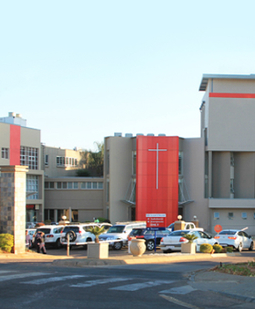 Hospital Group