Key planning information for carpal tunnel syndrome treatment in Spain.
$1,300 fromLowest listed price
30 minsProcedure time
13 hospitalsList carpal tunnel syndrome treatment
Carpal Tunnel Syndrome Treatment in Spain is listed from US$1,300 to US$1,500 at 13 hospitals. The operation takes 30 minutes. Each hospital quotes its own price for your case.
Prices last updated Nov 2018
Cost of Carpal Tunnel Syndrome Treatment in Spain
Table of prices by type of procedure, in US$. Each hospital quotes its own price for your case.
Procedure
Minimum price
Maximum price
Carpal Tunnel Syndrome Treatment
$1,300
$1,500
Price starting from $1,300 up to $1,500 · last updated Nov 2018.Final prices are quoted by each hospital
Hospitals and clinics offering Carpal Tunnel Syndrome Treatment in Spain
Carpal Tunnel Syndrome Treatment is listed by 13 hospitals in Spain. The order reshuffles every hour so each gets equal exposure.
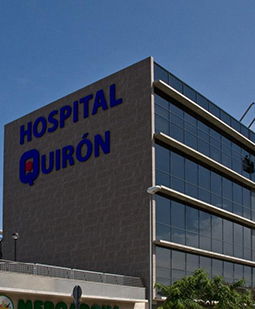
With more than 36 medical specialties, 200 physicians and surgeons of the highest level, Quironsalud Hospital Malaga is one of the most pertinent hospitals in Spain.
This international hospital incorporates prestigious doctors, invests in research and development, technology and continuing education that enhances skills, in facilities, and in an increased operational efficiency in order to provide nothing but the best
An ISO certified modern private hospital, which was opened in 2006, and is part of the Quironsalud Hospital Group. This tertiary care hospital has certified medical specialties capable of treating the most complicated medical cases.
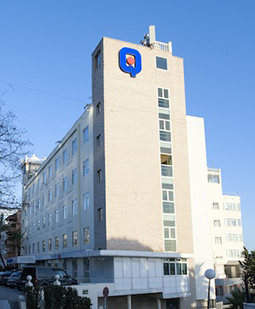
HM Hospitales is a hospital group with six private hospitals in Madrid: three general hospitals, a cardiovascular hospital, an oncological center and a women's health hospital.
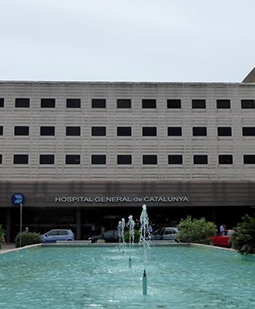
The Department of Neurology at Hospital General de Catalunya provides comprehensive neurological care for patients, develops new treatments and cures for neurologic diseases, and offers teaching programs to train the next generation of neurology professionals.
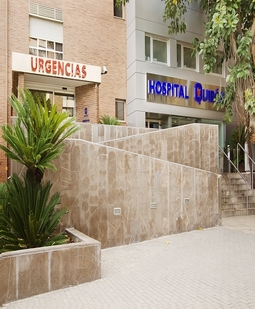
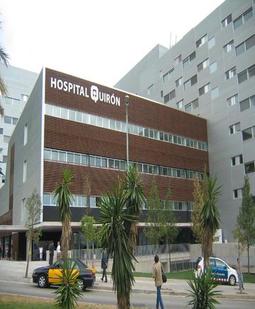
Hospital Quirónsalud Valencia is ranked as one of the best private schools in Spain, winning nine times in the TOP 20 award in recognition of its management and quality of care.
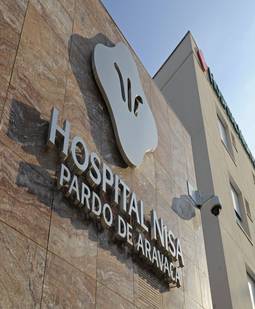
A modern (opened in 2007), general, private hospital located in Madrid, part of the NISA group of hospitals. The international patients department can assist patients with accomodation and trasportation, and can communicate in English as well as in Spanish.
What is carpal tunnel treatment?
Carpal tunnel treatment refers to the treatment of carpal tunnel syndrome, which is a disease caused by pressure on the median nerve of the wrist. Patients suffering from carpel tunnel syndrome experience numbness, tingling sensations, weakness or pain in the hand, fingers, and forearm. This may occur due to pregnancy, diabetes, obesity, hypothyroidism and arthritis. It also occurs as a result of wrist injuries, such as fractures. Carpal tunnel syndrome is also caused by improper usage of the hands and wrists for a long period. This is caused by pressure on the median nerve that leads to swelling of the tissues surrounding the carpal tunnel. Carpal tunnel treatments may include surgical as well as non-surgical treatments.
What are the different types of carpel tunnel treatments?
The different types of carpel tunnel treatments are as follows:
Medication:
Carpal tunnel syndrome may be treated with various medications to heal the pain and subside the swelling of the affected area. Pain killers and non-steroidal anti-inflammatory medicines may be given to the patient for early symptoms caused by strain. Medication may need to be taken orally or injected into the wrist. Vitamin B supplements are also provided to patients suffering from carpal tunnel syndrome.
Exercise:
Exercises such as stretching and strengthening are also used as a carpal tunnel treatment. A physical therapist or an occupational therapist may supervise these exercises.
Other therapies: Acupuncture and chiropractic treatment may also benefit patients who are suffering from the symptoms of carpal tunnel syndrome. Yoga is also known to be effective in treating this disease.
Surgery
Surgery is recommended if the patient has been suffering from the symptoms since 6 months without any effect of the non-surgical treatments. The tissue around the wrist is cut to lessen the pressure on the median nerve. Surgery may be required on both hands. There are two types of surgery:
Open Release Surgery
In an open release surgery, an incision of about 2 inches is made in the patient’s wrist. The carpel ligament is then cut to expand the carpal tunnel. Pressure on the nerve of the carpal tunnel is then relieved. The incision is closed and bandaged with a dressing.
Endoscopic Surgery
In an endoscopic surgery, two incisions of about half an inch each is made in the wrist and palm. An endoscopic tube with a camera attached to it is inserted through one of the incisions, which enables the surgeon to view the surgery on a screen. The carpal ligament is then cut using endoscopic surgical tools to expand the carpal tunnel. Pressure on the nerve of the carpal tunnel is then relieved. The incision is closed and bandaged with a dressing. An endoscopic surgery reduces scarring and ensures a sooner recovery.
How to prepare for carpal tunnel surgery?
The patient is required to stop eating anything solid or liquid for a minimum of 8 hours before the surgery.
The doctor may impose diet restrictions. Before the doctor recommends surgery, the doctor will perform various tests on the patient to examine the nerve function of the patient’s hand.
A neurologist, an orthopedic surgeon or a rheumatologist may examine the nerve conduction and find out if arthritis is causing the carpal tunnel syndrome.
About Carpal Tunnel Syndrome Treatment
Key facts to plan your treatment: how long it takes, your hospital stay, anaesthesia, risks and recovery.
Duration of surgery/treatment
Carpal tunnel surgery takes 30 minutes to 1 hour
Days admitted
None. Carpal tunnel treatment is usually done as an outpatient procedure.
Anesthesia
Carpal tunnel surgery is done under local anesthesia. Other forms of treatment do not require anesthesia.
Recovery
- After the surgery, the patient is taken to the recovery room until the anesthesia wears off.
- Patients may experience nausea and shivering, for which medication and blankets may be provided.
- Pain medication may also be given to relieve pain after the surgery.
- If patients have undergone surgery in both hands, they may be unable to perform any activities up to 2 weeks.
- Normally, patients can resume daily activities 3 to 4 weeks after the surgery. They may be able to perform heavy activities 6 weeks after the surgery.
- Most of the patients recover completely after the surgery without any recurrence of the disease.
- Some patients may need to undergo physical therapy to recover wrist strength.
Risks
The risks involved in a carpal tunnel surgery are as follows:
- Reaction to anesthesia
- Infection
- Incomplete ligament release
- Stiffness
- Damage to the nerves
- 10% of patients may experience wrist weakness
After care
- Patients should not drive for a minimum of 24 hours after the surgery.
- For the first few days, patients are advised to keep their hand elevated above the level of the heart. This is done to reduce swelling.
- Wrist support should be worn as per the doctor’s instructions.
- The doctor’s instructions on medication and wound care should be followed carefully.
- Heavy activities should be avoided for a month or two.
- A complete recovery may take 3 to 12 months depending on the type and intensity of the surgery.
 Private Hospital
 JCIPrice on request

 Private Hospital
 Private Hospital
 ISOPrice on request
 Private Hospital
 Hospital Group
 Hospital
 Hospital
 Private Hospital
 Private Hospital
 Private Hospital