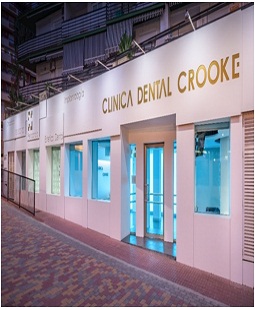
With 25 years of constant updating, today it manages to be a dentistry benchmark using cutting edge diagnostic and therapeutic techniques to tackle complex cases and rehabilitate all types of smiles functionally and aesthetically.
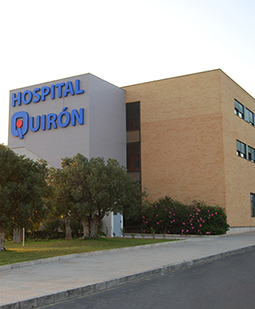
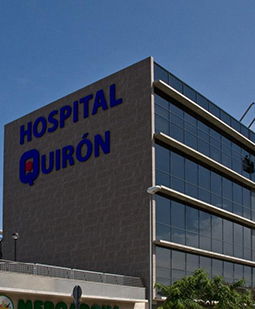
With more than 36 medical specialties, 200 physicians and surgeons of the highest level, Quironsalud Hospital Malaga is one of the most pertinent hospitals in Spain.
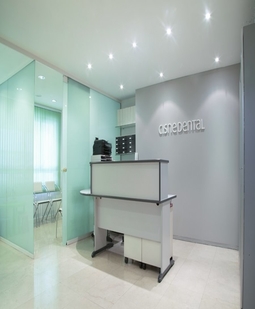
Clinica Dental Crooke has their own dental laboratory, equipped with the latest Cad/Cam technology, that allows pamper the quality of our treatment and greatly reduce the execution time, optimizing results and guaranteeing success and satisfaction to the patients.
DoctorsECDr. Eduardo CrookeRGDr. Rosa Gomez LagunaView all 4
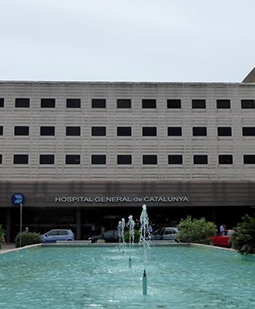
The intent of the Hospital General de Catalunya is to provide the preceptor with an overview of the dental management of medically compromised patients in both the outpatient and inpatient settings, as well as provide exposure to the latest philosophies in all phases of general dentistry.
Quironsalud Hospital Torrevieja is an ISO-certified private hospital located in the north of Torrevieja, championing excellence in cancer treatment and management. IMTJ Best International Hospital of the world (awards 2017)
What are porcelain veneers?
Porcelain Veneers are also known as dental veneers or porcelain laminates which are wafer thin shells of porcelain that are bonded onto the front surface of teeth to create an esthetic appearance and enhancethe bite problem. Placement of porcelain veneers is a dental procedure and it is indicated for smile improvement by correcting crooked teeth, darkly stained teeth by providing a natural look within few days.
What are the different types of Porcelain Veneers?
Traditional Porcelain Veneers
Traditional porcelain veneers are tooth-shaped porcelain shells that are bonded to the front of a tooth. These are best indicated to conceal tooth flaws. These veneers are non-removable and they can last for many years on proper maintenance.
Placement of these veneers requires two office visits. The teeth are prepared during first visit and the veneers are placed on second visit.
The procedure is performed by an experienced cosmetic dentist by administering a local anesthetic. Initially temporary veneers are placed on a patient in between the visits for approximately one to two weeks untilthe permanent veneers are fabricated.
LUMINEERS® Porcelain Veneers
These type of porcelain veneers are referred as “minimal prep” porcelain veneers as the placement procedure does not require removal of natural tooth structure. This technique involves fabrication of ultra-thin translucent porcelain that snugly fits over the tooth. These are removable and can be removed on patient’s desire.
The placement procedure of LUMINEERS® porcelain veneers requires two office visits: An impression of the patient’s teeth along with the oral structures is taken during the first visit and the impression will be sent to laboratory to custom-craft the veneers. This technique does not require placement of temporary veneers on patient as the tooth structure is left intact.
The second visit will be scheduled approximately after one week for the placement of well-crafted LUMINEERS by bonding with dental-grade cement. The procedure is finished by examining the veneer fit followed by polishingto provide an esthetic look.
How many sessions are required?
The process requires two sessions.
How long will the veneers last?
Porcelain veneers generally last between 5 and 10 years.
Replacement of veneers is requires after this period.
What kind of dentist performs theporcelain veneer placement?
The procedure is performed by a cosmetic dentist.
How long does the entire process take?
The duration of process depends on the existing condition of the teeth and the number of veneers that needs to be placed. Generally, it takes approximately one to two weeks for custom fabricated veneers and it requires additional time if the teeth are extremely crooked.
About Porcelain Veneers
Key facts to plan your treatment: how long it takes, your hospital stay, anaesthesia, risks and recovery.
Anesthesia
Local anesthesia
Recovery
Information coming soon. Request a consultation for personalized recovery guidance. Get Quote →
Risks
The veneers placement process involves minimal risk, such as minor tooth sensitivity immediately following the procedure.
Risks include:
- Increased teeth sensitivity
- Chipped and loose veneer
- Tooth decay
- Uncomfortable fit
- Uneven color
- Allergic reaction
After care
Your dentist may advice you to have a follow-up visit a couple of weeks after the procedure, to examine the state of gums and to determine the response of oral tissues.
Visit your dentist if encountering any complications related to your teeth.

 Private Hospital
 JCI


 ISO