There are numerous major factors, which affect jaw bone volume: - Periodontal Disease – Periodontal disease may affect and permanently damage the jaw bone, which supports the teeth. Affected parts gradually become worse until the teeth end up unstable.
- Tooth Extraction – Research has shown that patients who have gone through a tooth extraction eventually lose 40-60 percent of the bone surrounding the teeth removal site during the following 36 months. Loss of bone leads to what is referred to as a “bone defect”.
- Injuries Infections and Injuries – Physical injuries and dental injuries due to a blow to the jaw may result in the bone to recede. Infections can as well cause the jaw bone to recede in the same way.
Reasons for bone grafts In most cases, bone grafting is an extremely successful procedure. It's also a favored option to having tooth deformities, missing teeth, or diseased teeth. Bone grafting may increase the width and height of the jawbone and fill in defects and voids in the bone.
- Two ways where bone grafting can positively have an effect on the stability and health of the teeth:
- Jaw Stabilization – Bone grafting helps restore and stabilize the jaw foundation for implant or restorative surgery. Deformities may also be corrected and the restructuring of the bone may give added support.
- Preservation – Bone grafting may be used to prevent or limit bone recession following periodontal disease, a tooth extraction or other invasive procedures.
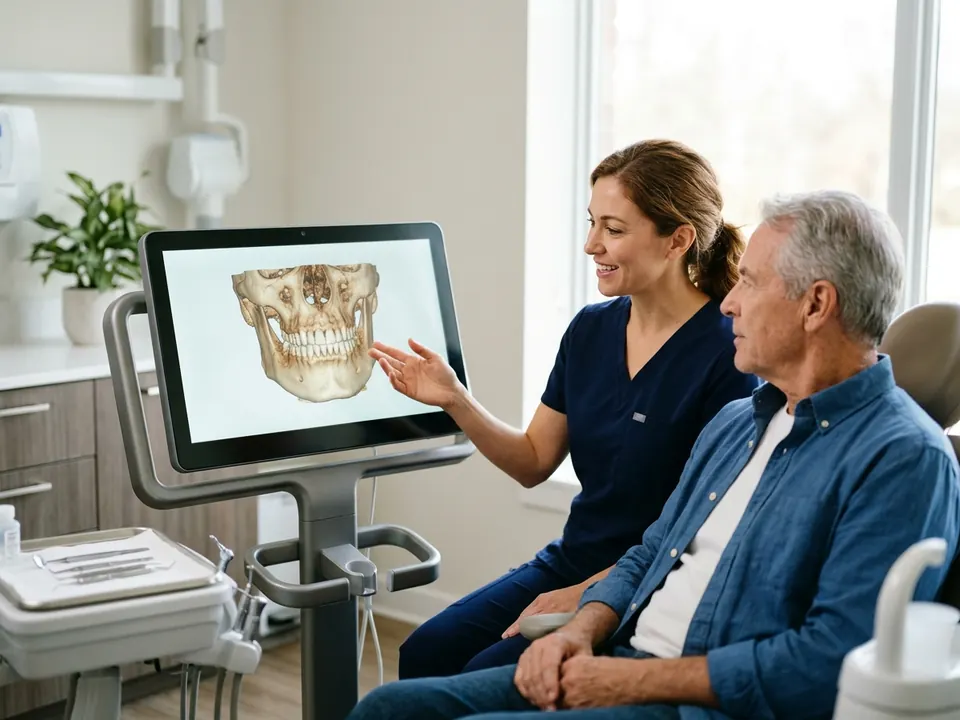
Oral check-up Firstly, the dentist will carefully check out the affected area so as to evaluate the general condition of the gums and teeth. If periodontal disease is found or the adjacent teeth are in bad state, these factors will be entirely attended to before the bone grafting process can start. The dentist will as well recommend panoramic x-rays so as to assess the exact width and depth of the existing bone. Occasionally, a CAT scan might be recommended to ascertain the bone condition. Based on these results, the dentist might also anesthetize the area and examine the gum so as to figure out what type and how much bone is needed.
What does bone grafting involve? Your dentist will establish the best kind for your specific condition.
- Autogenous Bone Graft - Collected from the patient’s own body (typically from the rear area of the chin or lower jaw). This procedure is often preferred since it delivers the most predictable results.
- Allograft Bone Graft - Cadaver or synthetic bone is used in this kind of graft.
- Xenograft - Cow bone is used in this kind of graft.
The bone grafting procedure will likely take many months to finish. Bone is usually harvested from your own body (or on unusual instances got from a “bone bank”) and added to the affected site. This bone will fuse with the existing bone making the migration of cells resulting in firm adhesion and cell development. Supplementing the jaw with bone will lead to higher bone mass to help support and secure the implant(s).
At the time of the surgery, the dentist will numb the extraction and grafting sites using a local anesthetic. A small incision will be made to prepare the site for the new bone, which will be secured into place. Occasionally, a synthetic membrane might be used to cover the new bone. This membrane stops bacteria invasions and soft tissue and motivates new bone development. This procedure doesn't need an overnight stay, and you will be given comprehensive instructions for your post-operative care. The dentist will prescribe drugs to help deal with swelling, infection and discomfort.
 Private Hospital

 JCI


 ISO