CyberKnife Center of Hamburg has an excellent track record for cancer treatment with the use of high technology. Among others, they specialize in CyberKnife radiosurgery, radiation oncology, stereotactic radiotherapy, diagnostic radiology.
DoctorsDMProf. Dr. Michael Heinrich SeegenschmiedtFFDr. Fabian FehlauerView all 6
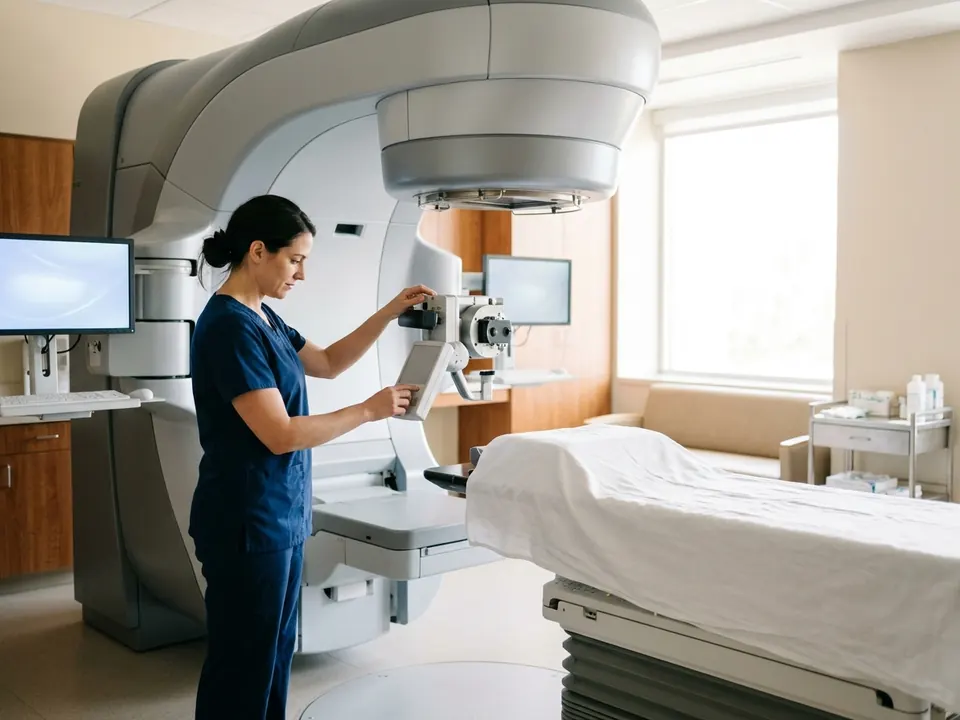
Image-guided radiation therapy is a method of radiation therapy that uses imaging techniques during the course of radiation treatment that directs radiation therapy in order to utilize the imaging coordinates of the radiation treatment plan. The radiation therapy technique controls cancer tumors through the use of radiation treatment. It is an example of the conformal radiotherapy that helps shape the radiotherapy beams around the cancerous region.
During the image guided radiotherapy, X-rays and scans are used to study the cancerous region and inform the doctors of the shape, size and position of cancer. Image-guided radiotherapy incorporates the use of frequent images to ensure precise targeting of the radiation of the affected area to minimize the damage to healthy cells and organs. A variety of imaging techniques such as the 2-D, 3-D are used to position the body to ensure the accurate focus of the tumor.
Image-guided radiotherapy is the standard care for radiation therapy and id ideal for tumors and cancers located very close to sensitive structures and organs. The impact of image-guided radiotherapy continues to evolve with the advancement of technology that enables doctors to understand better the working of the human body.
Types of images used in the image guided radiotherapy
Computed tomography
Fluoroscopy
Magnetic resonance imaging
Positron emission tomography
Conventional CT scans
Optical tracking
Megavoltage Computed tomography
Ultrasound
Digital X-ray
Advantages of the image guided radiotherapy
Improve the accuracy of the radiation field placement
Reduce the exposure of healthy tissue during radiation treatment
There is accurate delivery of radiation to the cancerous cells
Improved localization, definition and monitoring of tumor position, size and shape before and during treatment
The possibility of higher, dosage of targeted radiation to improve tumor control
Decreased radiation exposure to normal tissue surrounding the tumor
Types of cancers treated using the images guided radiotherapy
Head and neck cancer
Lung cancer
Prostate cancer
Breast cancer
Gastrointestinal cancer such as stomach cancer
Steps taken during the planning of the image guided radiotherapy
A CT scan is taken to the radiotherapy department
MRI (Magnetic resonance imaging) and PET (Positron emission tomography) scans of the area to be exposed to radiation treatment.
The results of the scans are fed into the radiotherapy computer used in planning.
The computer program then designs the radiation beams that resemble the tumor to ensure that healthy tissue is not exposed to the radiation
The skin is where the cancerous cells are marked to ensure only that area is treated during other sessions
Where the radiotherapy is happening to your neck and head, a plastic mask or mould will be worn during treatment.
Side effects of the image guided radiotherapy
The possibility of developing side effects in the image guided radiotherapy is low but the side effects may include:
Tiredness
Skin reaction
About Image Guided Radiotherapy
Key facts to plan your treatment: how long it takes, your hospital stay, anaesthesia, risks and recovery.
Recovery
Information coming soon. Request a consultation for personalized recovery guidance. Get Quote →
After care
Information coming soon. Request a consultation for personalized recovery guidance. Get Quote →
 Radiation Oncology Clinic
 ISO