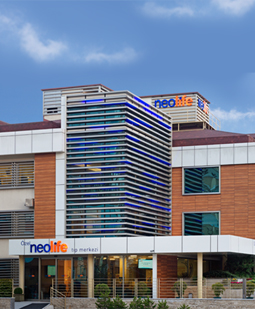
IMPORTANT NOTICE: Neolife Oncology Center is an Outpatient Oncology Hospital that does NOT perform any type of surgeries. Our center is the reference center specialized in oncology performing the latest treatment protocols and supporting the individual treatment with physical and social aspects.
DoctorsNADr. Nesrin AslanDAProf. Dr. Ahmet ÖberView all 7
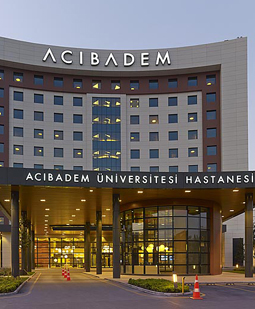
Acıbadem began its journey into healthcare services as a small neighbourhood hospital in a district of Istanbul/Turkey. Today, Acıbadem is a super brand which has taken its rightful place amongst the global healthcare leaders, with its 21 hospitals, 16 outpatient clinics and supporting service compa
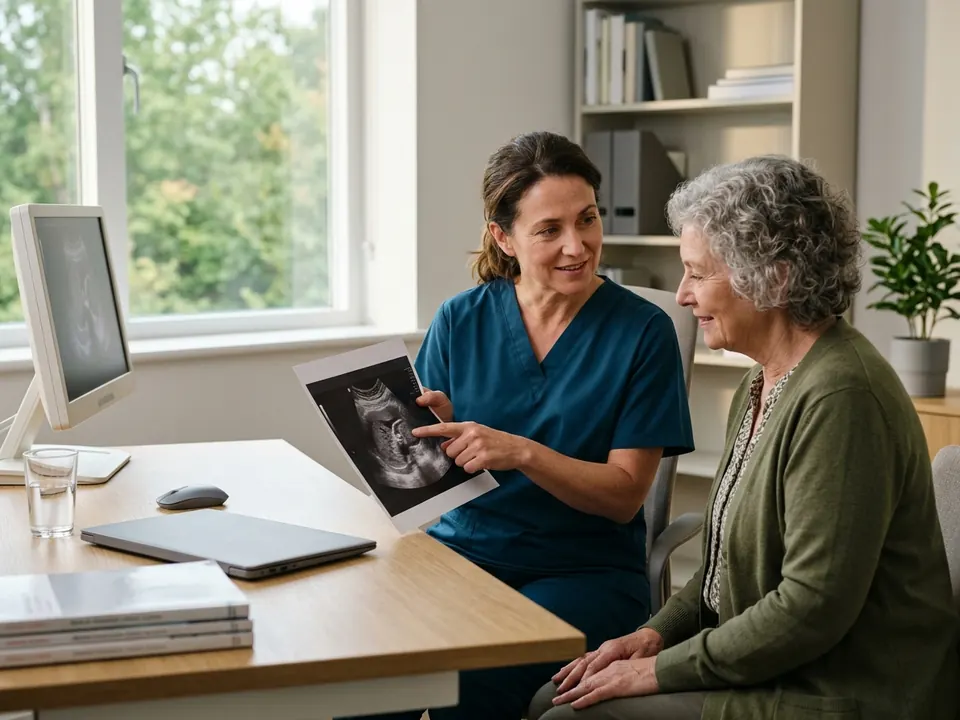
Our comprehensive cancer program consists of specialized physicians, cancer nurses, psycho-oncologists and patient care coordinators who work together to provide the best available care to our cancer patients and their families in a caring environment.
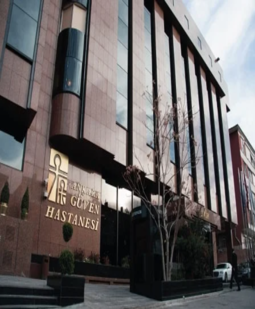
Founded in 1974, Ankara Güven Hospital provides health services at modern and international standards with its 1600 experienced staff, 254 beds, 12 operating rooms and an area of 40,000 square meters. Our priority is patient confidence. We strive for excellence.
A modern JCI accredited hospital located in Antalya, with 80 physicians spread across most medical specialties. The international patients department assists foreign patients with transportation, insurance, Visa arrangements, translation and more.
Kidney cancer refers to the situation where the kidney cells become cancerous and grow out of control resulting to a tumor. It is also known as renal cancer. However, this type of cancer is detectable before spreading to distant organs and successfully treated. Kidneys are bean-shaped organs responsible for cleaning the blood, making urine and removing waste products.
Risk factors for kidney cancer
Smoking: Smokers have a double chance of contracting this disease as compared to nonsmokers.
Obesity: Additional weight causes change in hormonal balance that increases your risk.
Certain pain medications: This includes prescription drugs and over the counter drugs.
Genetic condition: Some genetic condition such as inherited papillary renal cell carcinoma increases the risk of contracting this disease.
Symptoms of kidney cancer
Sometimes, many people have either one or a combination of the following symptoms as cancer continues to grow. The symptoms include;
Swelling of the legs or ankles
Blood in the urine
Loss of appetite
Anemia
Persistent pain on the side
Extreme fatigue
Treatment of kidney cancer
The treatment of kidney cancer depends on factors such as size and spread of cancer. Note that, early detection of the condition is the key to its elimination. The treatment methods include surgical treatments:
Nephrectomy: This is a surgical operation to remove the kidney. Depending on the size of the tumor, the size of the kidney varies and so does the procedure.
Embolization: During this operation, the surgeon inserts a small tube in the form of a catheter into the groin and then uses X-ray images to guide the catheter into the blood supply. A substance is then injected into the catheter to block the supply of the blood into the kidney. Through depriving the kidney oxygen and nutrients, it causes the tumors to shrink.
Radiotherapy: It does not cure kidney cancer entirely, but serves to slow down the progress of cancer and reduce pain.
Cryotherapy: This involves the use of cancer cells through freezing them. It is effective where the patient is not fit enough for surgery or the case where the tumor is small. It's classified as either laparoscopic (needles are inserted directly into the kidney via a small incision) and percutaneous (needles are passed via the skin).
Radiofrequency ablation: This involves the use of heat generated by radio waves to eliminate the cancer cells. This procedure is available only at specialist centers.
About Kidney Cancer Treatment
Key facts to plan your treatment: how long it takes, your hospital stay, anaesthesia, risks and recovery.
Duration of surgery/treatment
Radiotherapy takes a few minutes every day for a few days. Cryotherapy is administered for several hours and requires general anesthesia.
Anesthesia
Nephrectomy: General anesthesia, Cryotherapy: General anesthesia, Radiofrequency ablation: Local anesthesia to numb the area.
Recovery
Information coming soon. Request a consultation for personalized recovery guidance. Get Quote →
Risks
Bleeding, damage to the internal organs, pain, and bloodstains on the urine, nausea, fatigue, and vomiting, Injury to the ureter.
After care
Information coming soon. Request a consultation for personalized recovery guidance. Get Quote →
 Oncology Center
 JCI
 ISO