Asian Hospital and Medical Center provides comprehensive medical rehabilitation services - both inpatient and outpatient - to empower people with disabilities to achieve optimum quality of life.
A tertiary hospital offers a wide range of medical services. It has the first and only medical hotel in the Philippines, and serves local and international patients alike.
It is a special program developed to treat people with trauma, diseases or disorders of the nervous system. Neurological rehabilitation aims at reducing symptoms, improving function and the overall health of the patient. In addition, it addresses motor, sensory, cognitive and behavioral function which affects functional performance in patients with central nervous system problems.
How the program works
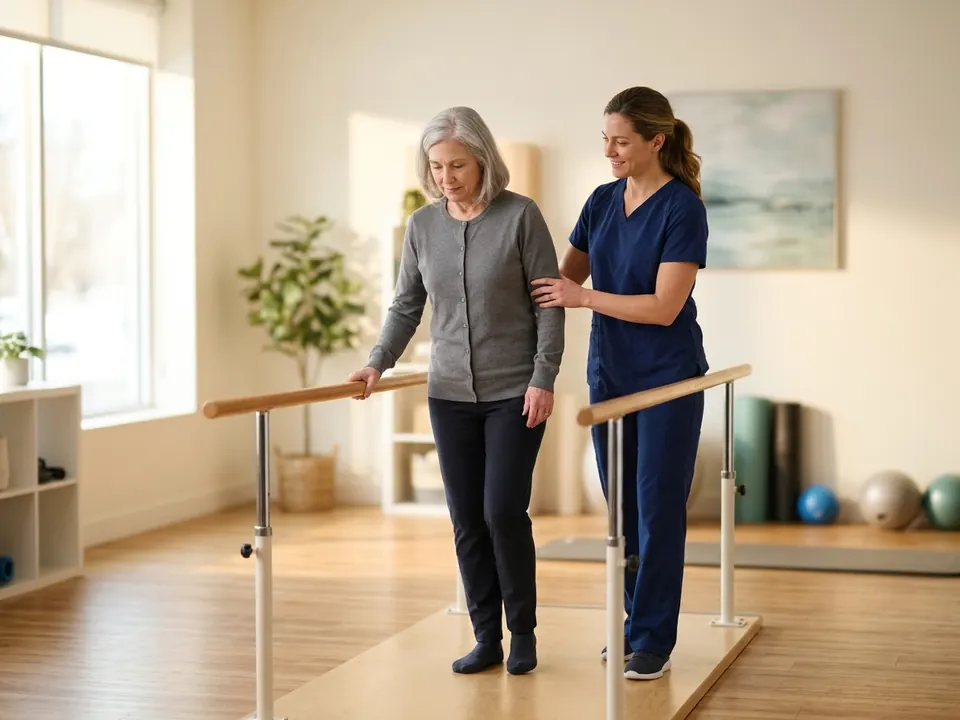
Neurological rehabilitation programs are tailored to meet individual needs of the patient. The programs are developed depending on the specific disease or problem. The patient and his family need to be actively involved in the program to ensure its success. The program focuses on all areas of a person’s well-being. It aims at offering a series of progressive therapies from occupational to psychological, retraining on mobility skills and other areas of the patient’s daily routine.
Neurological rehabilitation also provides help with other aspects of the recovery such as dietary and nutrition. The program offers treatment over a period of time depending on the disease, injury or disorder. It helps the patients and their families achieve a normal independent life as much as possible.
For the neurological rehabilitation program to be a success, it may include:
Exercise programs which aim at improving movement, managing spasticity and reduce weakness due to lack of use.
Speech therapy to assist patients with speaking, writing, reading and swallowing
Support with daily activities such as bathing, dressing, eating, toileting, housekeeping, and cooking
Management of stress, depression, and anxiety
Retraining on social and behavioral skills
Safety measures and home care needs
Patient and family counseling
Management of pain
What conditions can benefit from neurological rehabilitation?
Neurological rehabilitation can be used to help people with injuries, degenerative diseases, infections, tumors, structural and circulatory defects and disorders which can cause the nervous system not to function properly. Conditions that may benefit from this kind of program include:
Infections: This includes polio, encephalitis, brain abscesses and meningitis.
Vascular disorders: This includes subdural hematoma, transient ischemic attacks, hemorrhagic strokes and ischemic strokes.
Neuromuscular or structural disorders: This includes cervical spondylosis, brain or spinal cord tumors, Bell palsy, muscular dystrophy, carpal tunnel syndrome, peripheral neuropathy, Guillain-barre syndrome and myasthenia gravis.
Trauma: This includes spinal cord and brain injury.
Functional disorders: This includes dizziness, headache, seizure disorder and neuralgia.
The team
Patients going through neurological rehabilitation programs can choose to undertake the program on an inpatient or outpatient basis. Various professional are involved in the different stages of the rehabilitation. They include
Neurologist
Physiatrist
Orthopedist
Other specialty doctors
Rehabilitation specialists
Speech/language therapist
Audiologist
Social worker
Registered dietitian
Physical therapist
Recreational therapist
Occupational therapist
Psychologist
Vocational counselor
What to expect from the neurological rehabilitation program
Patient focus: The strategies are customized to fit the particular need of the specific patient
Inclusive care plans: The program is designed to include a qualified and dedicated team with various areas of specialization
Participatory: Cooperation from the patient and their family is key to successful recovery.
About Neurological Rehabilitation
Key facts to plan your treatment: how long it takes, your hospital stay, anaesthesia, risks and recovery.
Recovery
Information coming soon. Request a consultation for personalized recovery guidance. Get Quote →
After care
Information coming soon. Request a consultation for personalized recovery guidance. Get Quote →
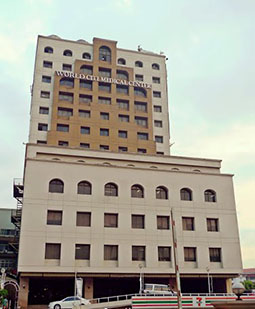
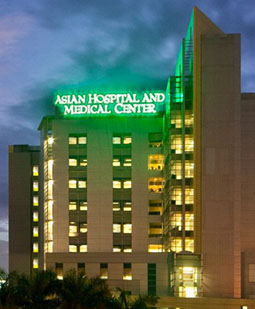 Private Hospital
 ISO