CHP Saint-Grégoire (Saint Gregory Private Hospital), the first Breton hospital in France specializing in Surgery, was established in 2004 when three medical facilities -- Saint Vincent Clinic, Volney Polyclinic, Bréquigny Maternity -- merged into a single site.
Vascular Surgery in Lyon - Clinic of the Protestant Infirmary The surgeons of the unit take care of all the arterial or venous vascular diseases with the modern and last generation means.
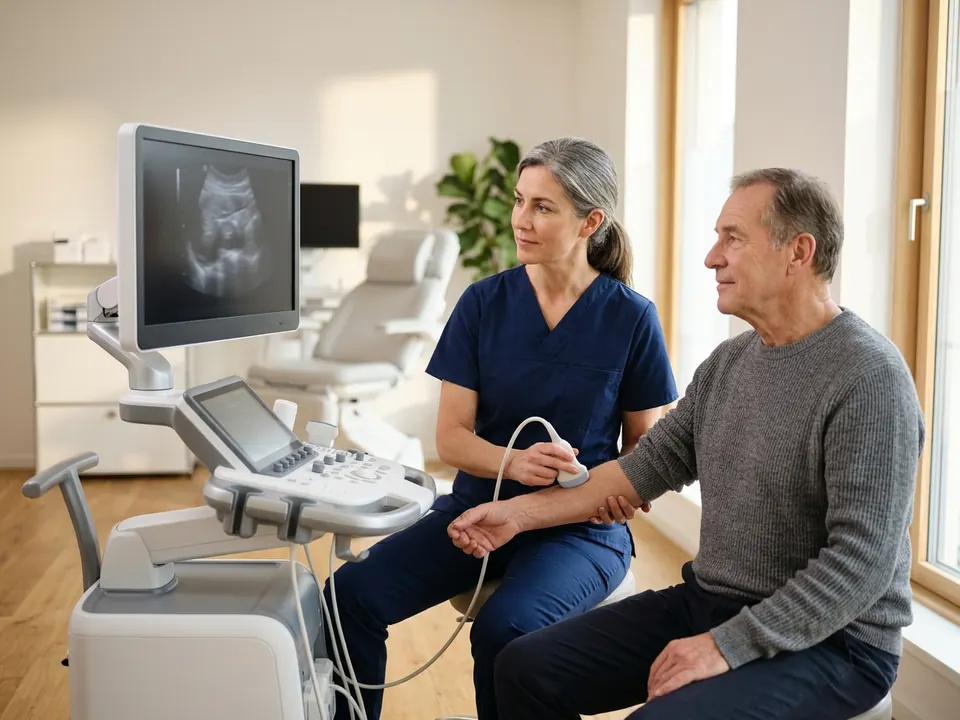
Vascular diseases can be difficult to diagnose. This is due to the fact that symptoms vary. Family history and physical examination are an important step in the diagnosis of vascular conditions. The type of vascular disease suspected is what determines the type of diagnostic test to perform. For example, if the peripheral vascular disease is suspected the physical exam will include checking the blood flow in the legs.
Your doctor may use various procedures to diagnose vascular diseases and disorders. These are used to evaluate and test your heart and vascular function. The procedures also help the doctor determine the best course of treatment once the condition has been diagnosed.
Types of vascular diseases include:
Atherosclerosis
Aneurysm
Blood clotting disorders.
Lymphedema
Burger’s disease
Raynaud’s phenomenon
Peripheral artery disease
Peripheral Venous Disease and Varicose Veins
Blood clots in the veins, which include pulmonary embolism, deep vein thrombosis and venous thrombo-embolisms.
Vascular diagnostic procedures include:
Resting electrocardiogram (EKG or ECG): This is used to test for changes in the heart’s electrical activity while you are at rest (without exercise). It helps determine if your heart is functioning normally and also whether it is safe for you to do a stress test (exercise electrocardiogram)
Exercise electrocardiogram (EKG or ECG): This is also known as a stress test. It is used to test for changes in the heart’s electrical activity when you exercise to determine whether your heart is functioning normally.
Cardiac catheterization: This procedure is used to diagnose cardiovascular conditions. It entails inserting a catheter (a thin flexible tube) up to your heart through a blood vessel.
Echocardiogram: An echocardiogram shows the movement of your heart and indicates the blood flow between the heart and other vessels.
Computed tomography scan (CT or CAT scan): This test produces images of your heart and combines them in cross sectional view to better examine how the heart is functioning.
Laboratory blood tests: These are used to evaluate the levels of various substances in your blood such as cholesterol, proteins, and triglycerides ( a type of fat). This helps in diagnosing heart disease.
Nuclear heart scan: This test evaluates the flow of blood and heart muscle and heart pumping ability. This is done by injecting a safe amount of radioactive substance which shows up on an imaging scan.
Holter and event monitor: This is a device that is worn continuously for1-2 days to measure the heart’s rhythm and activity.
X-ray: This test produces images of the heart t help the doctors during diagnostic procedures.
Symptoms of vascular diseases include:
Chest pain (angina)
Transient ischemic attack (stroke)
Heart attack
Claudication which is Cramps in the leg when active
Pallor
Sores or ulcers
Treatment
Your doctor will recommend treatment depending on the type of disease diagnosed. In the case of peripheral artery disease, prevention of complications such as gangrene is important while in the case of renal artery disease, balloon angioplasty may be the course of treatment chosen. Other treatment options include:
Stop smoking
Lowering blood pressure
Lowering cholesterol
Lowering blood glucose
Regular exercise
About Vascular Diagnosis
Key facts to plan your treatment: how long it takes, your hospital stay, anaesthesia, risks and recovery.
Recovery
Information coming soon. Request a consultation for personalized recovery guidance. Get Quote →
After care
Information coming soon. Request a consultation for personalized recovery guidance. Get Quote →
 Private Hospital