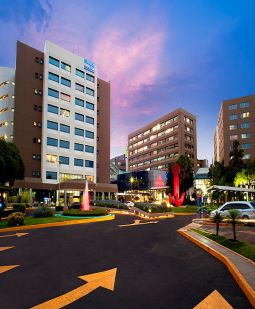
 Private Hospital
Mexico City, Mexico
 JCIPrice on request
Prestigious destination that conducts first class medical procedures.
Venous Vascular Disorders is treated at
Price
Contact for quote
Vascular Surgery care in Mexico
Hospitals, clinics and medical centers in Mexico treating Venous Vascular Disorders.
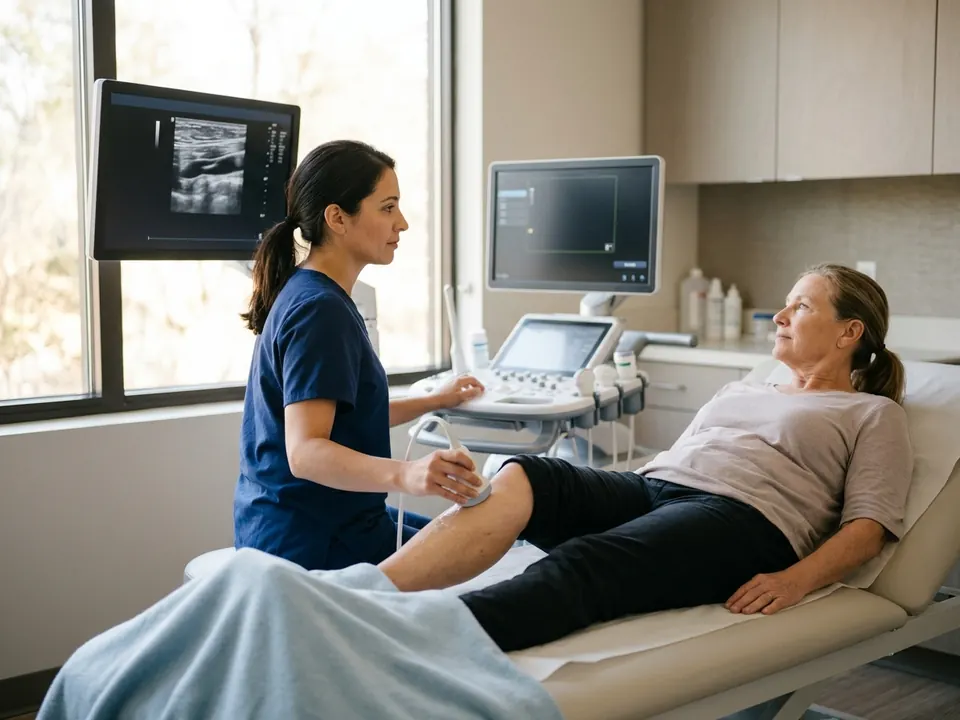
Key planning information for venous vascular disorders in Mexico.
Venous Vascular Disorders in Mexico is priced per case at 4 hospitals. The operation takes 5 to 30 minutes, with 1 to 2 days in hospital. Each hospital quotes its own price for your case.
Venous Vascular Disorders is listed by 4 hospitals in Mexico. The order reshuffles every hour so each gets equal exposure.
Private HospitalJCIPrice on requestPrestigious destination that conducts first class medical procedures.
Venous Vascular Disorders is treated at
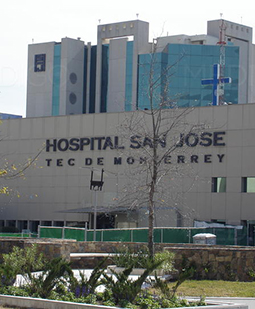 Private Hospital
A JCI accredited hospital, located 150 miles from the border with Texas, United States. The hospital is a full range tertiary care hospital, with five areas of excellence: Cardiology, Oncology, Neuroscience, Organ Transplant and Liver Disease.
Venous Vascular Disorders is treated at
 Private Hospital
Vascular specialists hold a full-time position and have high expertise. We perform diagnosis and treatment of vascular diseases (e.g. arteries, veins,lymph vessels), aneurysm, and peripheral arterial diseases (surgical treatment,stent graft, and endovascular treatment).
Venous Vascular Disorders is treated at
 Hospital Group
A 73 bed private, tertiary, full service hospital. San Javier Hospital is affiliated with 3,000 specialized, board certifies physicians, and offers the full range of medical specialties.
Venous Vascular Disorders is treated at
Vascular disease that results from damage to the vein valves or abnormal venous pressure is called as venous vascular disorder. It includes venous insufficiency like varicose veins and venous ulcers or deep vein thrombosis etc.
Treatment options for venous vascular disorder includes compression stockings, surgery or endovenous therapy. Compression stockings are the cornerstone of the treatment of venous insufficiency. Other options are:
Sclerotherapy: A sclerosing substance is injected directly into the varicose veins that make them collapse.
Endovenous laser therapy (EVLT): It uses high-frequency radio waves or laser that produces local heat in the affected vein and destroy it.
Radiofrequency ablation (RFA): In this technique a special radiofrequency catheter is passed from the knee to the groin which carry out controlled thermal injury to the targeted vein resulting in its shrinkage.
Surgical option is required in less than 10% of the patients. It is commonly in those with discomfort or ulcers refractory to medical management. It includes ligation and stripping, vein bypasss, phlebectomy or Subfascial endoscopic perforator surgery (SEPS) in which endoscopic techniques are used to find and ligate perforating veins. In case of congenital absence of functional valve valvuloplasty is done.
Subfascial endoscopic perforator surgery (SEPS) has a recurrence rate of 3% in ulcer cases with lesser morbidity than that of traditional surgical techniques.
RFA has very good recovery rate. Valvuloplasty may be associated with postoperative deep venous thrombosis. When associated with perforating vein ligation it has a good outcome. EVLT has excellent long term results with low associated complications.
Key facts to plan your treatment: how long it takes, your hospital stay, anaesthesia, risks and recovery.
Common questions
Have a question? Get a free consultation.
Choose a hospital and send your enquiry to its international patient team. Each replies with its own price and plan.
Free consultation • No obligation