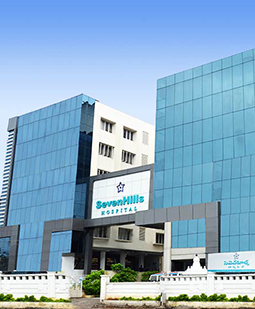
A 200-bed facility located at Gateway Center in Northwest Bangalore. The hospital opened in 2008 and provides comprehensive tertiary-level services, such as cardiac operations, orthopedics and neuroscience, as well as secondary-level medical care.
DoctorsGNDr. Govind NandakumarSGDr. Shalini GovilView all 15
SevenHills Group of Hospitals (SHHL) has been delivering Healthcare services at the highest level, since past 25 years. SevenHills Hospital, Mumbai, is a world class integrated Healthcare Delivery System, that provides comprehensive Healthcare...
DoctorsIADr. Indoo AmbulkarCSDr. Chetan ShahView all 3
Apollo Specialty Cancer Hospital is an exclusive and well established hospital for Cancer care with an Oncology team that consists of the most renowned specialists and a well trained team of medical and paramedical professionals who are exclusively trained in cancer care.
DoctorsRProf. RajasundaramDDDr. Debnarayan DuttaView all 19
The Department of Medical Oncology at Gleneagles Global Hospitals is known for its superior patient care and clinical outcomes. Medical oncologists work together with the surgeons and radiotherapists in deciding the treatment and delivering it.
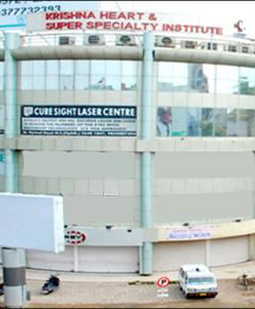
Krishna and Super Specialty Institute is one of Gujarat's leading medical facilities with a mission to provide high quality of medical services at an affordable cost to people around the world.
Located near Delhi, Fortis Hospital Noida is a Centre of Excellence for Orthopaedics and Neurosciences with a focus on Cardiac Sciences, Minimally Invasive Surgeries and Oncology.
Fortis Flt. Lt. Rajan Dhall Hospital is a Centre of Excellence for Cardiac Sciences, Renal Sciences, Diabetology, Pulmonology and Thoracic Sciences and a specialty center for Joint Replacement, Genito-urinary, Cosmetic Surgery and Dental care.
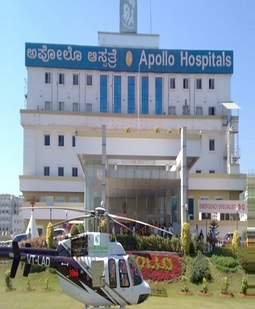
Apollo Bangalore is a modern, JCI accredited, multi-specialty hospital, capable of treating the most complex medical cases, including neurosurgy, bone marrow transplants, oncology and cardiac surgery. Apollo provides a full range of services for foreign patients.
DoctorsPPDr. P P BapsyBRDr. B.K.M. ReddyView all 6
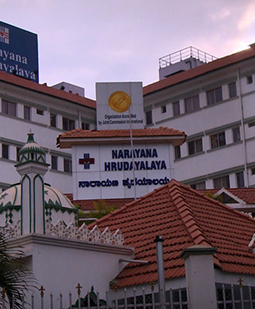
A conglomeration of hospitals in one campus, including: the Sparsh Hospital for Orthopedics & Trauma, the Mazumdar Shaw Cancer Center, the Narayana Hrudayalaya Heart Hospital, the Narayana Nethralaya Eye Hospital, as well as a full fledged multi specialty hospital.
DoctorsAPProf. Anthony PaisPNDr. Prasad NarayananView all 21
What is Chemotherapy?
Chemotherapy is a treatment that uses drugs to kill cancer cells, viruses, bacteria and fungi.
During chemotherapy, the drugs kill the cancer cells, including cells of the digestive tract, bone marrow and hair follicles. Healthy cells may also be damaged and due to this many side effects occur.
Chemotherapy is a systemic treatment as the drugs are administered orally or intravenously and travel through the bloodstream.
Chemotherapy may cure the cancer or stop the cancer from spreading. It also eases the symptoms caused by the cancer.
How is chemotherapy provided?
Chemotherapy may be provided along with radiation therapy. Sometimes chemotherapy may be given before or after radiation therapy.
It is usually provided in cycles of days or weeks. There will also be a gap of many days, weeks or months between these cycles during which chemotherapy is not provided. During the gap, the body will produce new healthy cells.
Where is the chemotherapy provided?
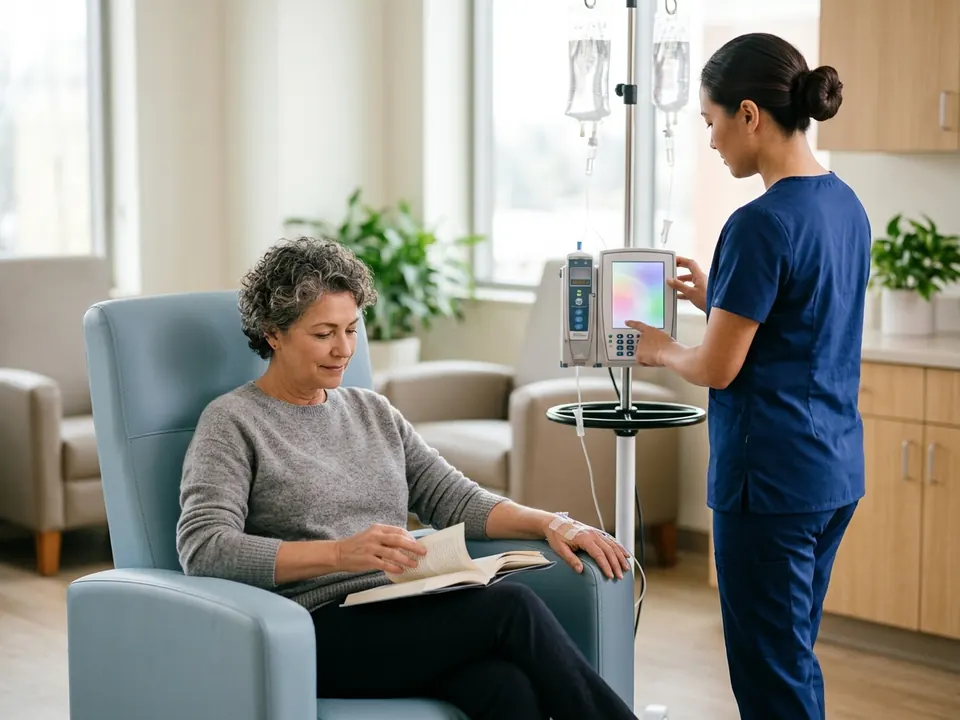
Usually, the patient will receive chemotherapy in a hospital or a clinic.
Sometimes it may be provided in the patient’s home after the patient’s caretakers or family members are trained adequately to administer the chemotherapy.
Methods of administering chemotherapy:
The method by which chemotherapy is given varies according to the type and location of the cancer.
The ways in which chemotherapy can be given are as follows:
Injection: The chemotherapy is given by an injection in the patient’s arm, thigh, hip or leg.
Intra-arterial (IA): The chemotherapy is given straight into the artery that is connected to the cancer.
Intra-peritoneal (IP): The chemotherapy is given straight into the peritoneal cavity affected by the cancer.
Intravenous (IV): The chemotherapy is given straight into a vein.
Percutaneously Inserted Central Catheter (PICC): A thin catheter is placed inside a vein close to the heart of the patient with a minor surgery. The chemotherapy is given through the catheter. PICC is used when patients require chemotherapy for a long period.
Topically: The chemotherapy is provided in the form of a cream that is applied on the skin.
Orally: The chemotherapy is given in the form of pills, capsules or liquids that needs to be taken orally.
Number of sessions required:
The number of chemotherapy sessions that are required depends on:
The cancer type and stage.
The purpose of the chemotherapy, for example whether the chemotherapy is intended to cure the cancer or to control its growth.
The way in which the chemotherapy is being provided to the patient.
How well the body reacts to the chemotherapy. If the patient’s body reacts well, the number of sessions may be lesser.
Side effects of chemotherapy:
The side effects depend on the patient’s cancer type and the kind of drugs that are being used for the chemotherapy.
Possible side effects include:
Myelosuppression, which is decrease in the production of blood cells, which also causes immunosuppression
Mucositis, which is the inflammation of the digestive tract lining
Hair loss
Infections
Bleeding frequently
Pain due to damaged nerves
Mouth sores
Poor appetite
Weight loss
Diarrhea and vomiting
About Chemotherapy
Key facts to plan your treatment: how long it takes, your hospital stay, anaesthesia, risks and recovery.
Recovery
Information coming soon. Request a consultation for personalized recovery guidance. Get Quote →
After care
- Eat healthy food to maintain appropriate body weight and health
- Prevent bleeding
- Maintain proper hygiene
- Take care and precautions while being with pets
- Follow up with the doctor regularly
- Monitor the effects of the chemotherapy and be aware of any damage to the organs of the body
 Private Hospital

 JCI
 ISO