Key planning information for retinal detachment surgery in India.
$2,600 fromLowest listed price
1–3 hrsProcedure time
9 hospitalsList retinal detachment surgery
Retinal Detachment Surgery in India is listed from US$2,600 to US$3,000 at 9 hospitals. The operation takes 1 to 3 hours. Each hospital quotes its own price for your case.
Prices last updated May 2017
Cost of Retinal Detachment Surgery in India
Table of prices by type of procedure, in US$. Each hospital quotes its own price for your case.
Procedure
Minimum price
Maximum price
Retinal Detachment Surgery
$2,600
$3,000
Price starting from $2,600 up to $3,000 · last updated May 2017.Final prices are quoted by each hospital
Hospitals and clinics offering Retinal Detachment Surgery in India
Retinal Detachment Surgery is listed by 9 hospitals in India. The order reshuffles every hour so each gets equal exposure.
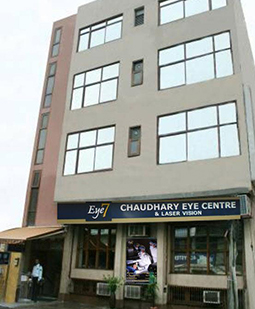
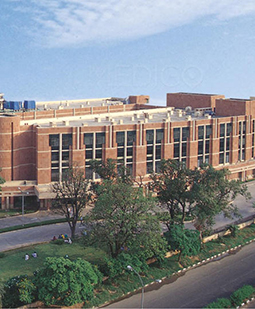
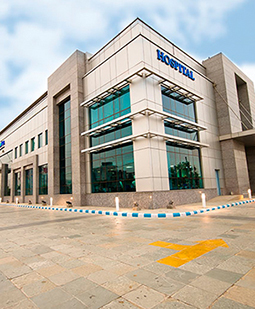
A modern 100 bed hospital opened in 2008, located in Gurgaon, outside of New Delhi.The hospital is a part of the Columbia Asia Group, which has an international patients office able to assist foreign patients with all aspects of medical travel.
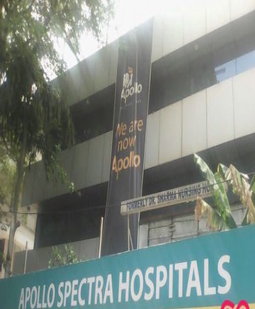
The Department of Ophthalmology at Apollo Spectra Hospital Kailash Colony offers the latest and best in diagnostics and care for patients with vision problems, no matter how simple or complex.
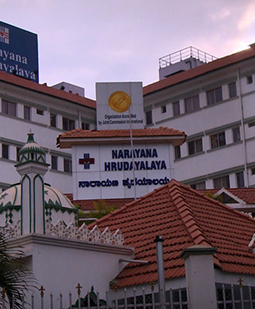
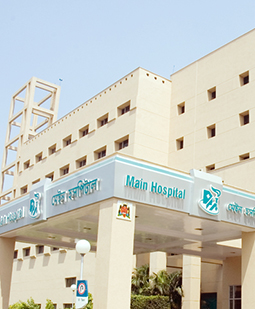
A conglomeration of hospitals in one campus, including: the Sparsh Hospital for Orthopedics & Trauma, the Mazumdar Shaw Cancer Center, the Narayana Hrudayalaya Heart Hospital, the Narayana Nethralaya Eye Hospital, as well as a full fledged multi specialty hospital.
DoctorsARDr. Arati RupaulihaDBDr. Dipangshu Basu ChaudhuriView all 10
Artemis Hospitals aim to provide comprehensive eye care at our Ophthalmology Centre. The state-of-the-art facilities include both diagnostic and therapeutic modalities.
The Apollo Gleneagles Hospital is a medical institution in Kolkata, India. It is an affiliate of Apollo Hospitals, the largest private hospital group in Asia. It provides medical services to both local and international patients.
What is Retinal Detachment Surgery?
Retinal detachment surgery is carried out to treat a retinal detachment and return it to its normal position.
Surgery is currently the only option for treating retinal detachment.
What are the types of Retinal Detachment Surgery?
The most common Retinal Detachment Surgery procedures are:
Pneumatic retinopexy: A laser or cryotherapy procedure seals the retinal hole or tear and a gas bubble is injected into the cavity in the eye to push the retina towards the eye’s outer wall.
Scleral buckling: Holes or tears in the retina are sealed with an electric current or frozen with a cryoprobe or laser. A scleral buckle made of synthetic material is then placed on the outer wall of the eye which compresses the eye and pushes the retinal tear towards the outer wall. Often a gas or air bubble is inserted into the cavity to prevent the hole from moving until scarring takes place and holds it in position.
Vitrectomy: The surgeon makes small cuts in the eye and removes the fluid in the eye, replacing it with gas to move the retina to a new position. Sometimes the surgeon also inserts a scleral buckle alongside the vitrectomy.
What are the chances of success?
85% of patients will be successfully treated with one operation, while the remaining 15% will requiring 2 or more operations.
How well you see after surgery depends in part on whether the central part of the retina (macula) was affected by the detachment before surgery, and if it was, for how long.
About Retinal Detachment Surgery
Key facts to plan your treatment: how long it takes, your hospital stay, anaesthesia, risks and recovery.
Duration of surgery/treatment
1-3 hours, depending on the type of surgery performed.
Days admitted
Usually done on an outpatient basis.
Vitrectomy may require an overnight stay.
Anesthesia
Local or general anesthesia
Recovery
- Limit physical activity for up to a week following retinal detachment surgery.
- If the gas bubble procedure is carried out you will need to keep your head facing down or to one side for up to four weeks in order to make sure the gas bubble fixes the retina in place successfully.
- Blurred vision following a retinal detachment surgery often persists for a few months.
- Use medicated eye drops and antibiotics after retinal detachment surgery.
- You will not be able to fly or travel to high altitudes for a few weeks following the gas bubble procedure.
- You may need a new glasses prescription if retinal detachment surgery has changed the shape of your eye.
 Private Hospital
 JCI
 ISO