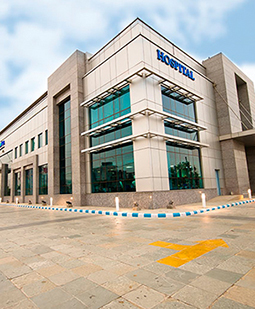
A modern 100 bed hospital opened in 2008, located in Gurgaon, outside of New Delhi.The hospital is a part of the Columbia Asia Group, which has an international patients office able to assist foreign patients with all aspects of medical travel.
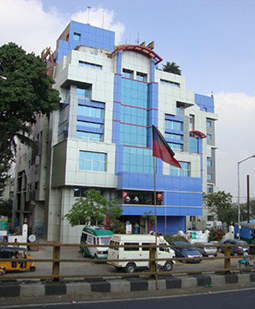
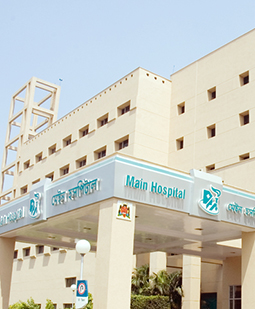
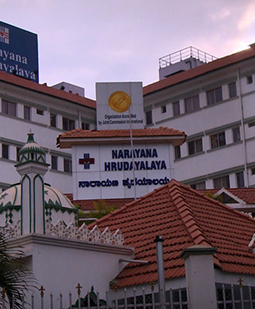
A conglomeration of hospitals in one campus, including: the Sparsh Hospital for Orthopedics & Trauma, the Mazumdar Shaw Cancer Center, the Narayana Hrudayalaya Heart Hospital, the Narayana Nethralaya Eye Hospital, as well as a full fledged multi specialty hospital.
DoctorsARDr. Arati RupaulihaDBDr. Dipangshu Basu ChaudhuriView all 10
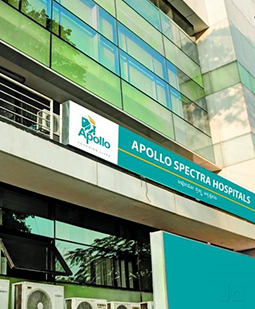
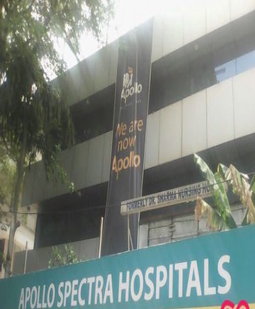
The Apollo Spectra department of ophthalmology provides swift, convenient eye care by utilising the latest, most sophisticated medical equipment. All Apollo Spectra facilities are equipped with advanced technology in the form of sophisticated diagnostic and microsurgical equipment.
The Department of Ophthalmology at Apollo Spectra Hospital Kailash Colony offers the latest and best in diagnostics and care for patients with vision problems, no matter how simple or complex.
One of the largest private hospitals in Chennai, containining five specialty centres: Heart Institute, Institute for Renal Sciences, Specialty Centre for Joints, OBG and Gynecology centre and a Diabetes centre.
DoctorsLGDr. Lalitha GaneshMBDr. Manohar BabuView all 3
The Apollo Gleneagles Hospital is a medical institution in Kolkata, India. It is an affiliate of Apollo Hospitals, the largest private hospital group in Asia. It provides medical services to both local and international patients.
What is Strabismus Surgery?
Strabismus surgery is eye muscle surgery to correct the alignment of the eyes. Strabismus surgery strengthens and weakens eye muscles to achieve correct double vision or a squint.
What are the types of Strabismus Surgery?
The most common Strabismus Surgery procedures are:
Recession: The surgeon weakens the eye muscle in this procedure. To access the eye muscle, the surgeon makes a small cut in the tissue of the eye. The surgeon cuts the eye muscle and repositions it farther back into the eye.
Resection: The surgeon strengthens the eye muscle. The surgeon makes a small cut in the tissue of the eye. A short section of the eye muscle is removed and the shortened muscle is attached back to the eye.
Adjustable suture: In this procedure, an adjustable suture is used to attach the eye muscle in a new place on the wall of the eye. Adjustments are made to the eye alignment when the patient is fully awake with the eye numbed.
About Strabismus Surgery
Key facts to plan your treatment: how long it takes, your hospital stay, anaesthesia, risks and recovery.
Duration of surgery/treatment
20 minutes to 1 hour.
Number of sessions required
Often one operation will be enough to achieve permanent success, but sometimes further procedures are needed following initial surgery.
Days admitted
Almost all patents leave the hospital or clinic the same day.
Anesthesia
Strabismus surgery is carried out under general anesthesia although local anesthesia is sometimes used for adults.
Recovery
- Soreness may persist for up to 3 hours following strabismus surgery and the eyes may stay red for a few weeks.
- Patients can usually return to normal activities 2 to 3 days after strabismus surgery.
- The final outcome of the surgery is usually apparent 4 to 6 weeks after the procedure.
Risks
- Unsatisfactory alignment of the eyes (over and under correction).
- Double vision.
- Infection.
- Loss of vision (very rare).
After care
- Treat moderate pain with painkillers.
- Use antibiotic or medicated eye drops, if prescribed, to lessen the chances of infection.
- Avoid swimming for several days following strabismus surgery.
- Avoid wearing contact lenses for two weeks.
- There may be a small change in glasses prescription following strabismus surgery.

 Private Hospital
 JCI
 ISO