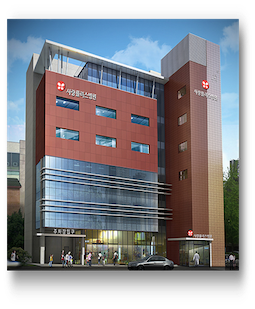
 Private Hospital
Seoul, South Korea
Price on request
Sarang Plus Hospital is one of the well-known specializing joint and spine hospitals in Korea.
DoctorsKHDr. Kook Hee-kyun
Price
Contact for quote
Orthopedics care in South Korea
Hospitals and medical centers in South Korea performing Hand Surgery.

Key planning information for hand surgery in South Korea.
Hand Surgery in South Korea is priced per case at 3 hospitals. Each hospital quotes its own price for your case.
Hand Surgery is listed by 3 hospitals in South Korea. The order reshuffles every hour so each gets equal exposure.
Private HospitalSarang Plus Hospital is one of the well-known specializing joint and spine hospitals in Korea.
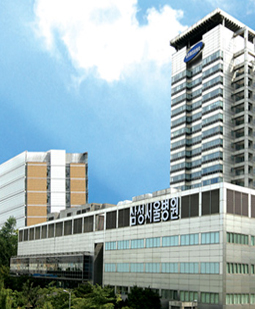 Samsung Medical Center
 ISOPrice on request
The Samsung Medical Center plans to achieve medical innovation in the future to promote the happiness of patients and develop into a global hub of biohealth care study and link the industry by connecting to hospital-R&D Center-school and enterprises.
Hand Surgery is available at
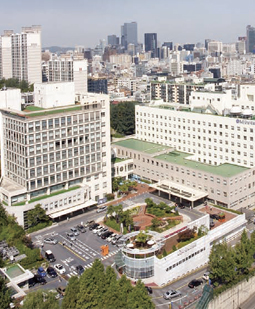 Yonsei University Health System, Severance Hospita
 JCIPrice on request
Yonsei University Health System (YUHS) was founded in 1885 as the first modern medical institution in Korea by the American medical missionary, Dr. Horace N. Allen.
Hand Surgery is available at
Hand surgery is a medical procedure that treats disorders of the hand, wrist and forearm. The hand is an important part of the body, without it, most functions would become impossible for a person. A hand surgeon is trained to correct any disorder that prevents normal function. This can be achieved through both surgical and non-surgical means.
The diagnosis of the hand will involve taking patients medical history. In addition, the diagnosing physician may require the patient to perform some light exercises. This is important in assessing the range of motion. It allows the doctor to determine which tendons and muscles are injured.
In the case of injury, the doctor may order a wound culture. This is necessary especially if the injury was due to a bite. It helps eliminate other illnesses such as rabbis. The doctor also gently palpates the hand. This is in order to determine the extent of the injury; a broken bone is usually tender to touch.
He or she may also perform a needle prick test. The doctor will prick the hand at various points with a sterile needle to determine sensation. This test is conducted in order to determine if there have been any nerve damage.
Other tests that are performed are an x-ray scan. In addition, a Doppler flowmeter test can be conducted. This test determines if there is any blood flow in the hand. It helps to determine if the tissues have too badly affected and have started dying off.
In some cases, surgery is not performed. He doctor may give the patient corticosteroid injections to ease swellings. In the case of physical injury, the patient will also be given antibacterial medication to ward off infections. The hand is usually tied in bandages to restrict movement.
This is done in order to allow the bone fractures time to heal. In addition, the tendons and ligaments need time to heal without being exposed to vigorous movement. In most cases, the hand is placed in a suspended state, to prevent use.
Key facts to plan your treatment: how long it takes, your hospital stay, anaesthesia, risks and recovery.
Common questions
Have a question? Get a free consultation.
Choose a hospital and send your enquiry to its international patient team. Each replies with its own price and plan.
Free consultation • No obligation