Key planning information for nephrectomy in Spain.
$7,000 fromLowest listed price
3 hrsProcedure time
2–7 daysHospital stay
11 hospitalsList nephrectomy
Nephrectomy in Spain is listed from US$7,000 to US$17,000 at 11 hospitals. The operation takes 3 hours, with 2 to 7 days in hospital. Each hospital quotes its own price for your case.
Prices last updated Jul 2019
Cost of Nephrectomy in Spain
Table of prices by type of procedure, in US$. Each hospital quotes its own price for your case.
Procedure
Minimum price
Maximum price
Nephrectomy
$7,000
$17,000
Price starting from $7,000 up to $17,000 · last updated Jul 2019.Final prices are quoted by each hospital
Hospitals and clinics offering Nephrectomy in Spain
Nephrectomy is listed by 11 hospitals in Spain. The order reshuffles every hour so each gets equal exposure.
With more than 36 medical specialties, 200 physicians and surgeons of the highest level, Quironsalud Hospital Malaga is one of the most pertinent hospitals in Spain.
The Nephrology Area at Vithas Xanit International Hospital has 2 interrelated departments (Reference Section of Nephrology, Hypertension and Vascular Risk Section of Hospital) which encompass most areas.
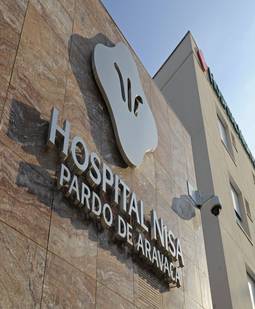
A modern (opened in 2007), general, private hospital located in Madrid, part of the NISA group of hospitals. The international patients department can assist patients with accomodation and trasportation, and can communicate in English as well as in Spanish.
The mission is to provide compassionate, comprehensive and state of the art care to every patient afflicted with kidney disease and/or high blood pressure. They are committed to excellence in clinical care, education and research.
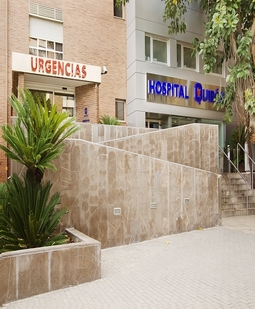
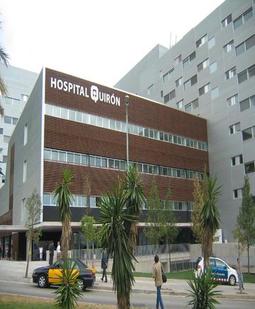
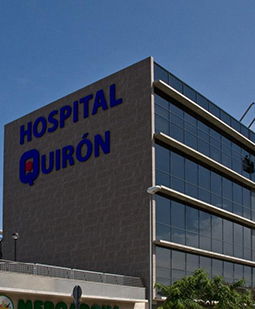
Quirón has an internationally prestigious medical staff, the largest in the sector, and is also the principal hospital network in terms of patient numbers and care facility area. The group administers 47 healthcare centers, more than 4.000 hospital beds and 8.000 doctors
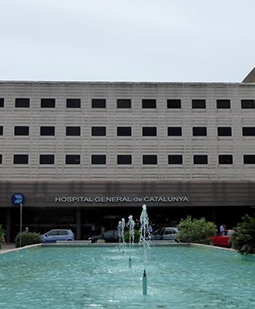
The excellent Nephrology treatments are offered at best kidney treatment hospital for kidney disease and Kidney Transplantation services by our expert Nephrologists in Hospital General de Catalunya.
An ISO certified modern private hospital, which was opened in 2006, and is part of the Quironsalud Hospital Group. This tertiary care hospital has certified medical specialties capable of treating the most complicated medical cases.
This international hospital incorporates prestigious doctors, invests in research and development, technology and continuing education that enhances skills, in facilities, and in an increased operational efficiency in order to provide nothing but the best
Hospital Quirónsalud Valencia is ranked as one of the best private schools in Spain, winning nine times in the TOP 20 award in recognition of its management and quality of care.
What is Nephrectomy?
Nephrectomy is a surgical procedure in which a kidney or a part of a kidney is removed. A nephrectomy is performed if the kidney is severely damaged due to disease or injury or if the kidney is malfunctioned due to congenital conditions. The kidney may become damaged due to cancer, infections or polycystic kidney disease. A nephrectomy is also performed on a kidney donor for kidney transplantation.
What are the types of Nephrectomy?
Radical Nephrectomy: In a radical nephrectomy, the kidney, surrounding lymph nodes, adrenal gland and the fatty tissue surrounding the kidney are removed.
Simple Nephrectomy: In a simple nephrectomy, only the damaged kidney is removed. A simple nephrectomy may also be performed on a kidney donor.
Partial Nephrectomy: In a partial nephrectomy, only the tumor or an infected portion from a diseased kidney is removed, keeping the rest of the kidney intact.
How is a nephrectomy performed?
A nephrectomy is performed in the following ways:
Simple and Partial Open Nephrectomy:
During an open surgery for a simple and partial nephrectomy, the patient is required to lie on one side. An incision of about 12 inches long is made on the side of the patient’s abdomen, beneath the ribs. Muscle and fat tissues are removed. Sometimes the patient’s rib may also be removed for the surgery. The ureter and blood vessels attached to the kidney are cut and clamped, after which the kidney is removed. The incision is closed with stitches or staples.
Radical Open Nephrectomy
In an open surgery for a radical nephrectomy, an incision of about 8 to 12 inches long is made in the front part of the abdomen, beneath the ribs. This surgery may also be done through the side of the patient’s abdomen. Then, the ureter and blood vessels attached to the kidney are cut and clamped, after which the kidney is removed. The adrenal gland and lymph nodes are also removed during this surgery. The incision is then closed with stitches or staples.
Laparoscopic Surgery:
A laparoscopic surgery may be used to perform a nephrectomy. During this, 3 to 4 small incisions are made on the side of the patient’s abdomen. Surgical instruments along with a videoscope are inserted through the incisions. Air is pumped into the abdomen to inflate it for better view. The ureter and kidney is cut. The kidney is placed in a bag and pulled out through a fifth incision, which is made towards the end of the surgery. The fifth incision is about 3 inches long and is made in the abdomen just below the navel. The kidney may also be removed with the surgeon’s hand, out of the fifth incision, which should be about 3 to 5 inches long. The incisions are then closed with stitches or staples. Recovery from a laparoscopic surgery is considerably quicker than an open surgery.
How to prepare for a nephrectomy?
The patient should inform the doctor about any medical conditions such as pregnancy or heart disease.
The doctor should also be informed regarding any medication that the patient is taking. Certain medication needs to be stopped before the surgery.
Blood samples are taken from the patient in case the patient needs blood transfusion.
The patient should abstain from smoking some days before the surgery to enable a quick recovery.
The patient should stop eating any solid or liquid food 12 hours before the surgery.
A catheter is inserted into the patient’s urinary bladder.
The doctor will talk to the patient about the surger
About Nephrectomy
Key facts to plan your treatment: how long it takes, your hospital stay, anaesthesia, risks and recovery.
Duration of surgery/treatment
Approximately 3 hours
Days admitted
2 to 7 days depending on the type of surgery
Anesthesia
General Anesthesia
Recovery
- Pain is normally felt in the incision area after the surgery. Pain medication may be provided.
- The patient’s renal function is monitored after the surgery. If the remaining kidney is healthy, it will gradually enhance its functioning and recompense for the loss of the removed kidney.
- The patient may not be able to eat for 1 to 3 days after the surgery. If the doctor recommends, liquid diet may be given.
- Breathing exercises may be recommended to prevent pneumonia.
- The patient may need to wear special stockings and receive shots to prevent blood clots.
- The patient may fully recover in 3 to 6 weeks.
Risks
The risks associated with a nephrectomy are:
- Injury to the other organs
- Failure of the remaining kidney
- Dysfunction of the other kidney
- Hernia of the surgical incision
- Blood clots
- Breathing difficulty
- Infection
- Pneumonia
- Reaction to medication
- Stroke
After care
- The patient should follow the doctor’s instructions carefully.
- Physical activities like lifting weights, bending, etc. should be avoided.
- The incision stitches and wound should be kept dry and clean.
- Once the patient is allowed to bathe or shower after the surgery, the wound and stitches should be washed carefully. The wound should then be bandaged and kept dry.
The doctor should be informed immediately if the patient has the following symptoms:
- Chest pain and breathing difficulty
- Trouble passing urine or having a bowel movement
- Bleeding from the surgical wound
- Infection or swelling of the incision
- Fever
- Blood in the urine
- Itchy skin with rash
- Chills and cough

 Private Hospital

 JCI
 ISO