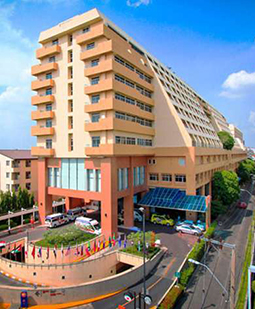
The Chaophya Hospital is a JCI accredited, tertiary private hospital in Bangkok, Thailand, which has been in operation since 1991. It has an international department which offers a comprehensive range of supporting services to foreign patients.
DoctorsKDProf. Kritvikrom DurongpisitkulMTProf. Montri TuchindaView all 33
Vejthani is a 500 bed private hospital that serves international patients from over 40 countries annually. The hospital has all necessary services to accomodate medical tourists.
DoctorsTCProf. Teerachai Chantarojsiri, MD.APAssist. Prof. Voranush ChongsrisawatView all 26
This is a subspecialty of surgery that involves diseases and conditions in fetuses, infants, children and adolescents that require surgical intervention. Pediatric surgeons diagnose, treat and manage the surgical needs of children. From minor endoscopic procedures to major and complex procedures such as repairing birth defects and separating conjoined twins.
Who is a pediatric surgeon?
This is a medical doctor who has specialized in diseases and disorders affecting fetuses, infants, children, and adolescents. They have special expertise and are uniquely equipped to treat children.
Pediatric surgeons know how to ask children medical questions in a way that does not intimidate them. They are patient, friendly and interactive. In addition, they decorate their offices and operating rooms with reading materials, videos and wall cartoons. The equipment used is specially designed for use by children.
Training
Pediatric surgeons are medical doctors who have had at least 4 years of medical school, 5 years of general surgery and at least 2 years of residency in pediatric surgery.
Subspecialties of pediatric surgery
Pediatric surgery can further be subdivided into subspecialties namely neonatal surgery and fetal surgery.
Other surgical specialties also have pediatric subspecialties which require the doctors to undertake additional training.
Pediatric cardiothoracic: surgery on the child’s heart and lungs, which include heart and/or lung transplantation
Pediatric neurosurgery: surgery on the child’s brain, spinal cord, central nervous system and peripheral nerves.
Pediatric orthopedic surgery: surgery on the child’s muscles and bones
Pediatric nephrological surgery: surgery on the child’s kidneys and ureters. This includes kidney transplantation.
Pediatric urological surgery: surgery on the child’s urinary bladder and other structures below the kidney.
Pediatric plastic and reconstructive surgery: surgery on the child due to burns or congenital defects like cleft palate that does not involve the major organs
Pediatric oncological surgery: surgery on the child to treat or manage cancer
Pediatric hepatological and gastrointestinal surgery: surgery on the liver, stomach, and intestines which include liver and intestinal transplantation
Conditions treated through pediatric surgery include:
Hirschsprung's disease
Meconium ileus
Imperforate anus
Achalasia
Ambiguous genitalia
Appendicitis
Congenital malformations
Cleft lip and palate
Bilary dyskinesia
Esophageal atresia and transoesophageal fistula
Annular pancreas
Bilary atresia
Pancreatic cysts
Pancreatitis
Torsion of testicular appendix
Breasts problems
Congenital diaphragmatic hernia
Mediastinal cysts
Chest wall deformities
Lymphangioma
Choledochal cysts
Conjoined twins
Torticollis
Cystic hygroma
Empyema
Short bowel syndrome
Umbilical hernia
Meckel’s diverticulum
Pyloric stenosis
Epididymitis and orchitis
Thyroiditis
Gastroesophageal reflux
Cholecystitis acalculous
Pancreas divisum
Cholelithiasis (gallstones)
Parathyroid
Gastrointestinal foreign bodies and bezoars
Thyroid nodules
Hepatoblastoma
Hyperinsulinism
Hyperthyroidism
Inguinal hernia
Umbilical polyps
Intussusceptions
Laparoscopic cholecystectomy
Undescended testis
Lung lesions
Branchial cysts, sinuses, and remnants
Malrotation and volvulus
Anorectal malformations
Small left colon syndrome
Neck abnormalities
Perirectal abscess
Omphalocele
Pancreas tumors
Pectus carinatum
Nectrotizing enterocolitis
Pectus excavatum
Pediatric cancer
Spleen problems
Neuroblastoma
Testicular torsion
Thyroid cancer
Ulcerative colitis
Wilm’s tumor
Minimally invasive procedures include:
Bowel reconnection
Repair of congenital diaphragmatic hernia
Lymph node biopsy
Central venous line/port removal
Circumcision
Lumps and bumps
Labial adhesions
Repair of omphalocele
Repair of gastroschisis
Colostomy
Percutaneous liver biopsy
Fundoplication
Cholecystectom
Pediatric obesity surgery
Repair of esophageal atresia/tracheoesophageal fistula
Splenectomy
Ileostomy pouch
About Pediatric Surgery
Key facts to plan your treatment: how long it takes, your hospital stay, anaesthesia, risks and recovery.
Recovery
Information coming soon. Request a consultation for personalized recovery guidance. Get Quote →
After care
Information coming soon. Request a consultation for personalized recovery guidance. Get Quote →

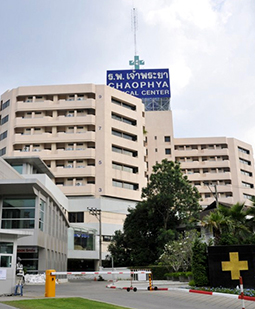 Private Hospital
 JCI
 ISO