
Skip to hospitals

Neurosurgery care abroad

Peripheral Nerve Surgery Abroad

Details of leading international hospitals performing Peripheral Nerve Surgery to foreign patients.

✓ Listed hospitals✓ Free consultation✓ No obligationFrom $2,000
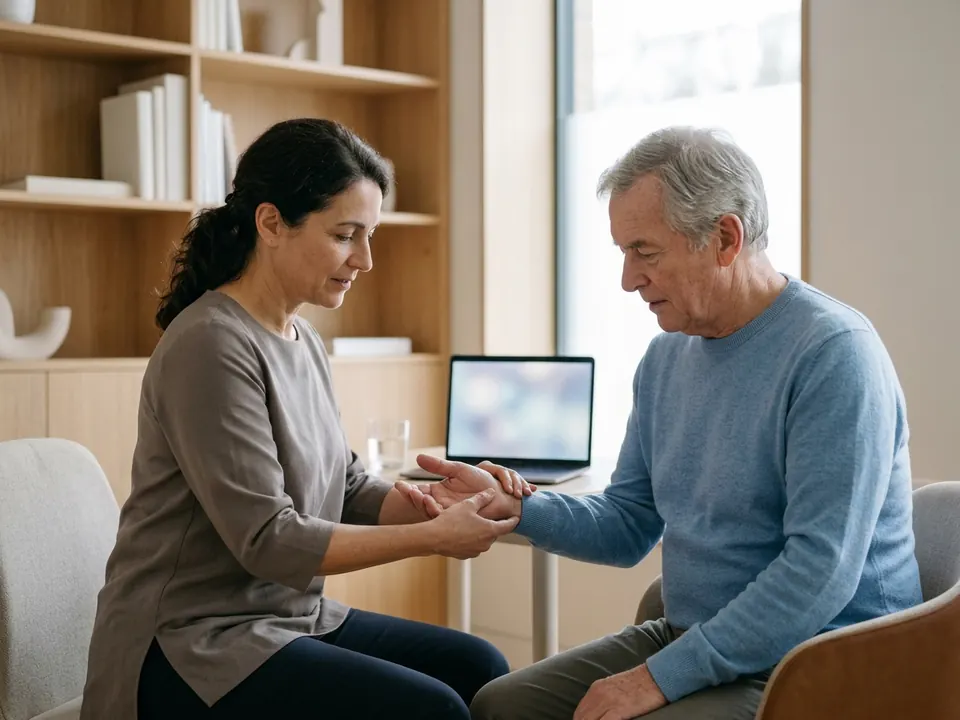
A neurosurgeon conducting a neurological hand and wrist physical examination on a female patient.

Trusted by

  • +22 millionusers
  • +482,000patients assisted
  • +4,060medical centers
  • +18years of experience in medical tourism

At a glance

Key planning information for peripheral nerve surgery abroad.

$2,000 fromLowest listed price (Turkey)
17 hospitalsList peripheral nerve surgery
20Countries with hospitals listed

Peripheral Nerve Surgery abroad is listed from US$2,000 to US$6,000 at 17 hospitals in Turkey and India, with 20 countries listed in total. Each hospital quotes its own price for your case.

Prices last updated Jul 2017

Description of Peripheral Nerve Surgery:

What is Peripheral Nerve Surgery?
Peripheral nerve surgery is a general term for various surgeries performed to treat peripheral nerve injuries, compression and tumors. These surgeries are conducted by surgeons from the specialized in orthopedics, neurology, cosmetic or reconstructive surgery.

About Peripheral Nerve Surgery

Key facts to plan your treatment: how long it takes, your hospital stay, anaesthesia, risks and recovery.

Recovery
Information coming soon. Request a consultation for personalized recovery guidance.
Get Quote →
After care
Information coming soon. Request a consultation for personalized recovery guidance.
Get Quote →
Carpal Tunnel Decompression
Carpal tunnel decompression is a surgical procedure to treat the compression or dysfunction of the median nerve that extends through the wrist to the hand.

An incision is made in the hand and an antiseptic solution is used to wash the incision area. The incision is then made deeper below the skin and fat through the first layer. The incision is then made through the flexor retinaculum with a sharp blade. The nerve decompression is beyond the incision, into the forearm. After the bleeding stops, the incision is closed and covered with dressing and bandage.

How to prepare for carpal tunnel decompression?

The patient should inform the doctor about the following things:

  • Health illnesses
  • Medication that the patient may be taking
  • Allergies
  • Bleeding disorders
Days admitted
This surgery may be done as an out patient procedure, and the patients can go home after the surgery. However, some patients are admitted to the hospital one day before the surgery.
Anesthesia
General or local anesthesia
Recovery
- The patient is taken to the recovery room to be monitored for one hour after the surgery
- Pain medication may be prescribed by the doctor.
- The patient will be encouraged to keep the arm elevated.
- The sutures may be removed in 7 to 12 days after the surgery
- The doctor will schedule follow-up visits to check the wound.
- Physiotherapy may be recommended
Risks
The common risks involved in carpal tunnel decompression are as follows:
- Blood clotting
- Nerve injury
- Wrist pain
- Scarring
- Failure to treat the symptoms
After care
- The patient should drive after being discharged from the hospital.
- The dressing should be changed regularly on a daily basis.
- The wound should be kept dry.
- The patient should try to keep the arm elevated and use it for normal activities.
- Lifting heavy objects should be avoided, until the doctor permits the patient to do so.

The doctor should be informed if the following symptoms occur:
- Severe pain in the wrist
- Fever
- Infection and swelling of the wound
- Weakness or numbness in the hand or fingers
Common Peroneal Nerve Decompression
Common peroneal nerve decompression is a surgical procedure to treat the compression or dysfunction of the nerve that lies around the outer portion of the leg.

An incision is made near the knee and an antiseptic solution is used to wash the incision area. The incision is then made deeper below the skin and fat. Then the fascia above the muscle and nerve is cut with a sharp blade. The peroneal nerve is identified, which lies below the beginning of the fibula. Where the nerve enters the muscle, it is decompressed. After the bleeding stops, the incision is closed and covered with dressing and bandage.

How to prepare for common peroneal nerve decompression?

The patient should inform the doctor about the following things:

  • Health illnesses
  • Medication that the patient may be taking
  • Allergies
  • Bleeding disorders
Days admitted
This surgery may be done as an out patient procedure, and the patients can go home after the surgery. However, some patients are admitted to the hospital one day before the surgery.
Anesthesia
General or local anesthesia
Recovery
- The patient is taken to the recovery room to be monitored for one hour after the surgery
- Pain medication may be prescribed by the doctor.
- The sutures may be removed in 7 to 12 days after the surgery
- The doctor will schedule follow-up visits to check the wound.
Risks
The common risks involved in common peroneal nerve decompressions are as follows:
- Infection
- Blood clotting
- Nerve injury
- Severe surgical pain
- Scarring
- Failure to treat the symptoms
After care
- The patient should drive after being discharged from the hospital.
- The dressing should be changed regularly on a daily basis.
- The wound should be kept dry.
- Running and stressing the leg should be avoided.

The doctor should be informed if the following symptoms occur:
- Severe knee pain
- Fever
- Infection and swelling of the wound
- Weakness or numbness in the leg
Lateral Femoral Cutaneous Nerve Decompression
Lateral Femoral Cutaneous Nerve Decompression is a surgical procedure to treat the compression or dysfunction of the nerve that lies around the outer portion of the thigh, beneath the hip and above the knee. An incision is made on the skin at the groin and an antiseptic solution is used to wash the incision area. The incision is cut deeper into the first fascia layer. Then the fascia above the muscle and nerve is cut with a sharp blade. The lateral femoral cutaneous nerve is then identified, which lies beneath the fascia. The nerve is followed up to the inguinal ligament to find the exact area through which it comes. If the nerve has to be decompressed, the hole is opened. If the nerve has to be divided, it is pulled through the hole and cut. The stump is drawn back to the abdomen. After the bleeding stops, the incision is closed and covered with dressing and bandage

How to prepare for Lateral Femoral Cutaneous Nerve Decompression?

The patient should inform the doctor about the following things:

  • Health illnesses
  • Medication that the patient may be taking
  • Allergies
  • Bleeding disorders
Days admitted
This surgery may be done as an out patient procedure, and the patients can go home after the surgery. However, some patients are admitted to the hospital one day before the surgery.
Anesthesia
General or local anesthesia
Recovery
- The patient is taken to the recovery room to be monitored for one hour after the surgery
- Pain medication may be prescribed by the doctor.
- The sutures may be removed in 7 to 12 days after the surgery
- The doctor will schedule follow-up visits to check the wound.
Risks
The common risks involved in Lateral Femoral Cutaneous Nerve Decompression are as follows:
- Difficulty in finding the nerve for the surgery
- Infection
- Blood clotting
- Nerve injury
- Severe surgical pain
- Scarring
- Failure to treat the symptoms
After care
- The patient should drive after being discharged from the hospital.
- The dressing should be changed regularly on a daily basis.
- The wound should be kept dry.
- Running and stressing the leg should be avoided.

The doctor should be informed if the following symptoms occur:
- Severe pain in the groin
- Fever
- Infection and swelling of the wound
Ulnar Nerve Decompression
Ulnar nerve decompression is a surgical procedure to treat the compression or dysfunction of the ulnar nerve that runs from the elbow to the hand, which provides sensation to the little finger and half of the ring finger.

An incision is made on the skin near the elbow and an antiseptic solution is used to wash the incision area. The incision is then made deeper below the skin and fat through the first layer. Then the fascia above the muscle and nerve is cut with a sharp blade. The ulnar nerve is identified, which lies below the bone on the inner side of the elbow. The nerve is decompressed at the point where it enters the forearm muscles. After the bleeding stops, the incision is closed and covered with dressing and bandage.

How to prepare for ulnar nerve decompression?

The patient should inform the doctor about the following things:

  • Health illnesses
  • Medication that the patient may be taking
  • Allergies
  • Bleeding disorders
Days admitted
This surgery may be done as an out patient procedure, and the patients can go home after the surgery. However, some patients are admitted to the hospital one day before the surgery.
Anesthesia
General or local anesthesia
Recovery
- The patient is taken to the recovery room to be monitored for one hour after the surgery
- Pain medication may be prescribed by the doctor.
- The patient will be encouraged to keep the arm elevated.
- The sutures may be removed in 7 to 12 days after the surgery
- The doctor will schedule follow-up visits to check the wound.
Risks
The common risks involved in ulnar nerve decompression are as follows:
- Blood clotting
- Nerve injury
- Elbow pain
- Scarring
- Failure to treat the symptoms
After care
- The patient should drive after being discharged from the hospital.
- The dressing should be changed regularly on a daily basis.
- The wound should be kept dry.
- The patient should try to keep the arm elevated and use it for normal activities.
- Lifting heavy objects should be avoided, until the doctor permits the patient to do so.

The doctor should be informed if the following symptoms occur:
- Severe pain in the wound or elbow
- Fever
- Infection and swelling of the wound
- Weakness or numbness in the hand

Cost of Peripheral Nerve Surgery by country

Price ranges in US$ for each country with a published range. Each hospital quotes its own price for your case.

CountryMinimum priceMaximum price
Peripheral Nerve Surgery in IndiaLast updated May 2010$5,000$6,000
Peripheral Nerve Surgery in TurkeyLast updated Jul 2017$2,000$5,400
Price starting from $2,000 up to $6,000 · last updated Jul 2017.Final prices are quoted by each hospital

Hospitals and clinics offering Peripheral Nerve Surgery abroad

Peripheral Nerve Surgery is listed by 17 hospitals abroad. The order reshuffles every hour so each gets equal exposure.

Showing 1–10 of 17 hospitals
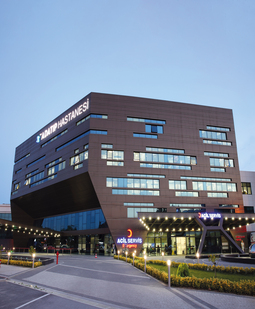
ADATIP Hospital — photoPrivate Hospital
Sakarya/Istanbul, Turkey
ISO 9001:2015 certified hospital sealISOPrice on request

Our hospital is a leading medical facility in Turkey, with highly specialized doctors, advanced technology, and 40+ procedures. Our facility has 200 beds, 81 doctors, and 50 ICU units. We prioritize patient well-being with VIP services, including hotel stays, checkups, and transportation. Our focus

DoctorsGKDr. Gokhan KizilcayMTDr. Murat Tiftikci
PricesPeripheral Nerve Surgery upon request
Price
Contact for quote
Hospital Velmar — photoPrivate Hospital
Ensenada, Mexico
JCI Gold Seal of ApprovalJCIPrice on request

Welcome to our Private Hospital, where a friendly and courteous team of medical specialists with a wealth of scientific knowledge and ethical standards is committed to taking care of your healthcare needs. Our goal is to provide unmatched medical care by constantly innovating and investing in the tr

PricesPeripheral Nerve Surgery upon requestCarpal Tunnel Decompression upon requestCommon Peroneal Nerve Decompression upon requestLateral Femoral Cutaneous Nerve Decompression upon requestUlnar Nerve Decompression upon request
Price
Contact for quote
Anadolu — photoPrivate Hospital
Istanbul (Gebze), Turkey
JCI Gold Seal of ApprovalJCIISO 9001:2015 certified hospital sealISOPrice on request

Anadolu Medical Center is one of the most modern, comprehensive and respected hospitals in Turkey. Anadolu is affiliated with John Hopkins Hospital.

DoctorsAHProf. Ahmet Hilmi Kaya, MD
PricesPeripheral Nerve Surgery upon request
Price
Contact for quote

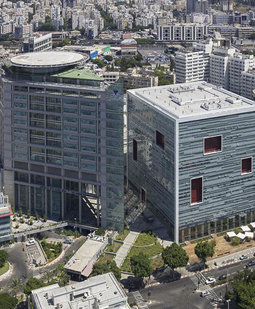
Tel Aviv Sourasky Medical Center — photoPublic University Hospital
Tel Aviv, Israel
JCI Gold Seal of ApprovalJCIISO 9001:2015 certified hospital sealISOPrice on request

The Department of Neurosurgery of the Tel Aviv Sourasky Medical Center specializes in treating disorders of the brain, spinal cord, and peripheral nervous system in children and adults. TASMC is considered the leading neurosurgery facility in Israel and one of the most advanced internationally.

DoctorsZRProf. Zvi Ram
PricesPeripheral Nerve Surgery upon request
Price
Contact for quote
Vithas Xanit International Hospital — photoPrivate Hospital
Malaga, Spain
JCI Gold Seal of ApprovalJCIPrice on request

We are working hand in hand with the University of Malaga and other international centres to develop education and training programmes in this area. This field is managed by a team belonging to the field of Neurology, Clinical Neurophysiology and Clinical Psychology.

PricesPeripheral Nerve Surgery upon request
Price
Contact for quote
Barcelona Spine Center — photoPrivate Hospital
Barcelona, Spain
ISO 9001:2015 certified hospital sealISOPrice on request

A neurosurgery center within Quiron Hospital Barcelona, specializing in minimally invasive surgeries on the spine. The Barcelona Spine Centre team of three neurosurgeons have over 15 years of experience in the field of neurosurgery.

DoctorsPCDr. Pablo ClavelMCDr. Marcelino CaballeroView all 3
PricesPeripheral Nerve Surgery upon request
Price
Contact for quote

Patient reviews

Reviews coming soon.

Common questions

Frequently asked questions

Have a question? Get a free consultation.

Ready to compare peripheral nerve surgery hospitals abroad?

Choose a hospital and send your enquiry to its international patient team. Each replies with its own price and plan.

Free consultation • No obligation