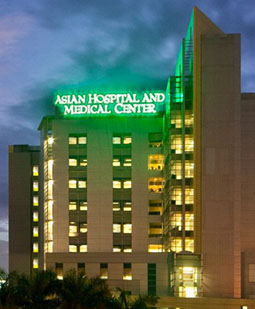
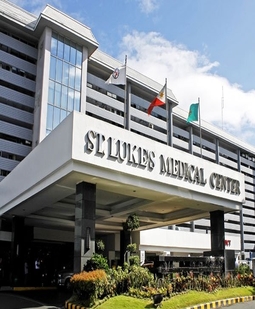
A JCI accredited multi-specialty medical institute which has been serving patients from the Philippines and all over the world for over a century. It has over 600 inpatient beds and 1,700 affiliated medical consultants.
A tertiary hospital offers a wide range of medical services. It has the first and only medical hotel in the Philippines, and serves local and international patients alike.
The hospital provides medical care to cover all fields of orthopedics including trauma surgery, joint surgery, spine surgery, hand surgery, locomotor tumor surgery, sports medicine, and rehabilitation medicine.
DoctorsLADr. Larry AcunaGMDr. Gregorio Marcelo AzoresView all 31
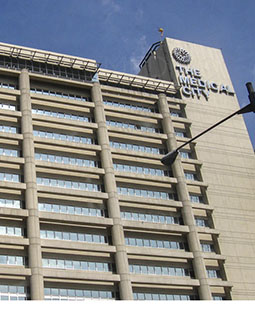
The Medical City is a private, tertiary care hospital, that is accredited by the JCI. It serves over 40,000 inpatients a year, making it one of the largest health care facilities in the Philippines.
DoctorsJBDr. Jose Bayani O.AlilingERDr. Emmanuel R.AsedilloView all 19
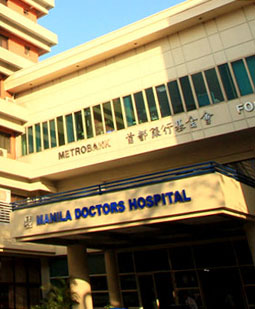
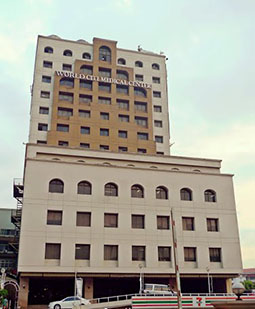
This medical centre in Manila, Philippines offers a wide array of services under the different fields and sub-specialties of the medical field. This privately owned tertiary hospital has been in operation for more than 50 years.
DoctorsABDr. Agbayani, Benigno, Jr.DLDr. De La Rosa, TammyView all 18
How is Tennis Elbow Surgery Performed?
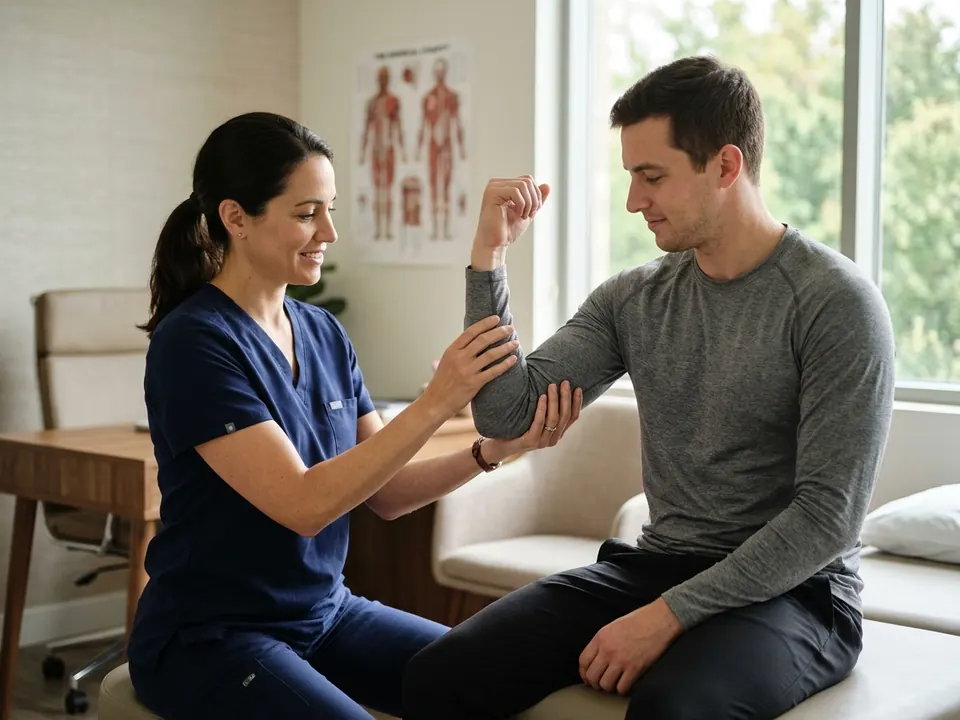
Tennis elbow surgery is performed either by an open surgery method or by an arthroscopic surgery method. Arthroscopic surgery for tennis elbow is comparatively new.
The type of surgical method is determined by factors like the severity of the injury, the patient's general health and other requirements. The doctor will decide which method is appropriate for the patient.
Open Surgery
A large incision is made on the elbow over the joint.
The damaged tendon is located and identified.
The damaged portion of the tendon is cut and removed.
The remaining tendon may be repaired by using sutures that are attached to the bone .
The incision is closed with sutures and covered with a bandage.
A splint is used to support the patient's arm .
Arthroscopic Surgery
A tiny incision is made on the elbow over the joint.
An arthroscope is inserted into the joint through the incision.
This allows the surgeon to view into the elbow joint and examine the cause of the pain.
A few other tiny incisions are made through which surgical instruments are inserted.
The damaged tendon is removed using the surgical tools, without detaching the tendon from the bone.
The incision is closed with sutures and covered with a bandage.
A splint is used to support the patient's arm.
How to Prepare for Tennis Elbow Surgery?
The patient is physically examined to ensure that the patient is in a good condition to undergo surgery.
The doctor should be informed about any medication that the patient is taking with or without a prescription. These may include supplements or herbs or drugs.
Certain medication that the patient is taking may be stopped two weeks before the surgery.
The doctor should be informed if the patient has any ailments or medical conditions.
The patient must stop smoking to ensure a quick recovery.
About Tennis Elbow Surgery
Key facts to plan your treatment: how long it takes, your hospital stay, anaesthesia, risks and recovery.
Days admitted
Tennis elbow surgery may be performed as an outpatient procedure.
In some cases, the patient may need an overnight stay in the hospital.
Anesthesia
General or Regional Anesthesia
Recovery
- The patient’s arm should be kept elevated to reduce swelling and held in a sling. A splint may be used to immobilize the arm.
- The sutures and splint are removed in 10 to 14 days after the surgery.
- The patient may be able to resume daily activities in 3 to 6 weeks after the surgery.
- Athletic activities can be resumed in 4 to 6 months after the surgery.
Risks
Risks of anesthesia include:
- Breathing difficulty
- Allergic reaction to medication
Risks of tennis elbow surgery include:
- Nerve and blood vessel injury
- Weak and stiff elbow
- Elbow pain
- Bleeding
- Blood clotting
- Infection
After care
- The incision area should be kept dry and the doctor’s instructions should be followed carefully.
- The patient should avoid heavy activities for about 12 weeks.
- The patient should avoid driving for a week after the surgery.
- Light stretching exercises of the elbow may be started after the splint is removed.
- Strengthening exercises can be started in a couple of months after the surgery.
 Private Hospital
 JCIPrice on request
 ISO