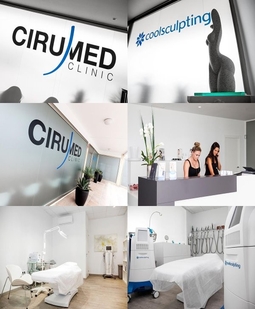
The surgeons at Cirumed Clinic Marbella all hold academic positions at the department of Plastic, Aesthetic and Reconstructive surgery of Hospital Quiron Malaga - Spain's largest private hospital. The clinic offers the full range of cosmetic surgeries.
DoctorsAADr. Alexander AslaniAHDr. Alexander HamersView all 3
We want you to feel good and so we are making the latest medical technology available for you. Because if you look good on the outside, you'll feel good on the inside.
DoctorsFGDr. Francisco Giraldo AnsioMIDr. Maria Isabel Ruiz
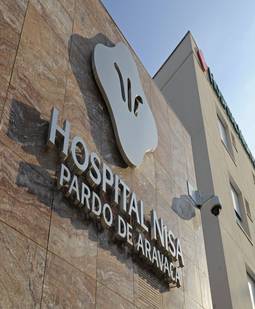
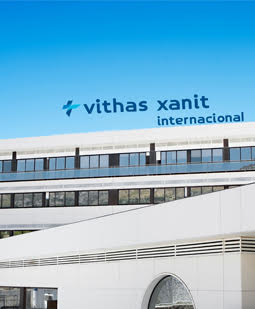
A modern (opened in 2007), general, private hospital located in Madrid, part of the NISA group of hospitals. The international patients department can assist patients with accomodation and trasportation, and can communicate in English as well as in Spanish.
Plastic and Reconstructive Surgery is strongly committed to excellence in patient care and cross-disciplinary research that brings current medical developments into clinical practice.
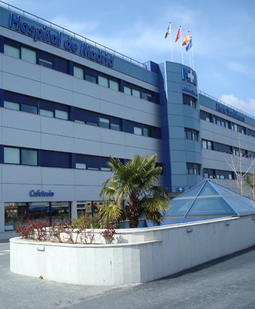
Hospital Clínic Costa Brava is a modern medical facility with over 250 medical specialists, offering medical, surgical, aesthetic, cosmetic and rehabilitation treatments in the relaxing tourism town of Palamos, Costa Brava.
It is a branch of Surgery that deals with the surgical correction of any congenital, acquired, tumor or simply involutive process that requires repair or replacement of superficial structures that affect the body shape and function, with criteria of proportionality and aesthetic parameters
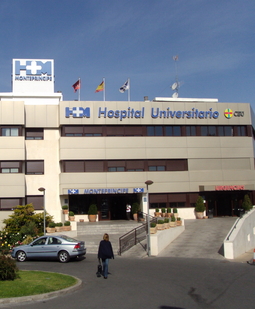
HM Hospitales is a hospital group with six private hospitals in Madrid: three general hospitals, a cardiovascular hospital, an oncological center and a women's health hospital.
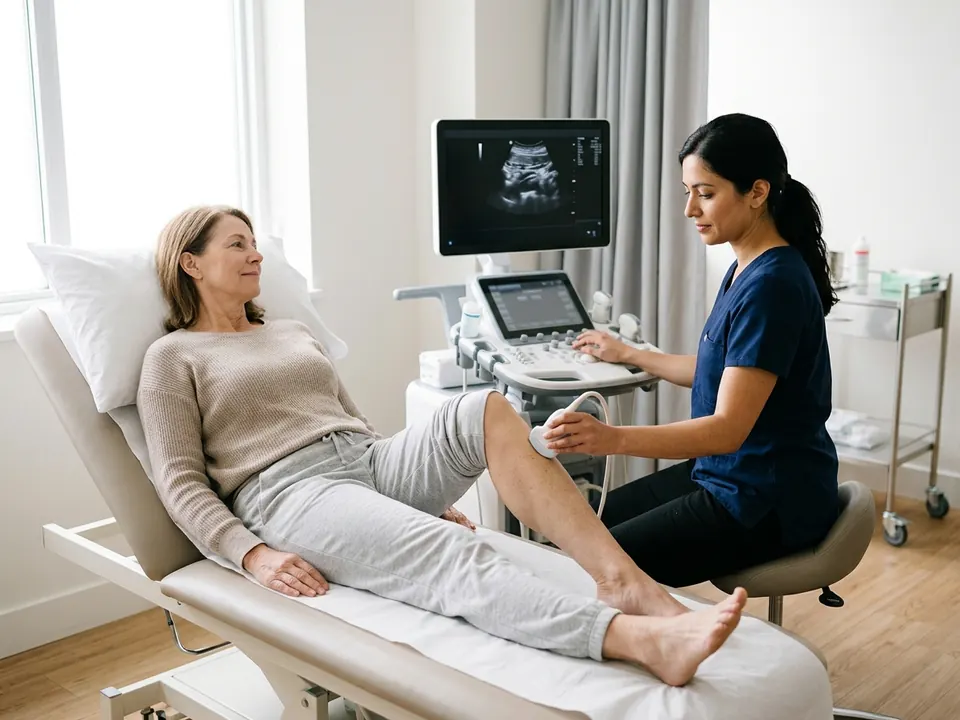
What are the types of Varicose Vein Removal?
The most common Varicose Vein Removal procedures are:
Sclerotherapy: Sclerotherapy is a non-surgical procedure to remove small- to medium-sized varicose veins through the use of a chemical, a sclerosant, usually a salt solution. The sclerosant is injected into the affected vein to irritate it and cause it to close. Sclerotherapy is the most widely used varicose vein removal procedure.
Microsclerotherapy: Microsclerotherapy is a new kind of sclerotherapy which uses improved injection techniques.
Vein stripping: This is an older surgical procedure to remove veins through incisions in the groin, knee and ankle. This procedure is mostly used for long varicose vein removal.
Endovenous Thermal Ablation: This procedure is a newer procedure, an alternative to vein stripping, to remove large veins. A thin catheter (tube) is inserted into the vein, heat is applied to the tip and the heat causes the vein to collapse and close. The heat is supplied by a laser or radiofrequency waves.
Laser treatment: A doctor uses a laser to create energy which closes the varicose vein. Laser surgery is most effective on small varicose veins.
Radiofrequency treatment: Heat is applied to close the vein through radiofrequency waves.
Ambulatory phlebectomy: The doctor removes short segments of veins through tiny punctures in the skin, using special hooks.
Endoscopic vein surgery: This is a form of varicose vein removal usually carried out in advanced cases involving leg ulcers. The surgeon uses a camera inserted into the leg in order to close varicose veins and remove them.
Coil embolization: In this varicose vein removal procedure a catheter is inserted into a large vein and a coil is placed into it which is left in the vein. Alcohol injected into the vein causes it to close shut.
Number of sessions required
Some varicose vein removal procedures require more than one session for maximum results, for example sclerotherapy may need to be carried out more than once to be effective. Patients may need a combination of varicose vein removal therapies in order to achieve the best end result.
About Varicose Vein Removal
Key facts to plan your treatment: how long it takes, your hospital stay, anaesthesia, risks and recovery.
Duration of surgery/treatment
The duration of the varicose vein removal procedure varies depending on the size of the affected vein and the number of veins involved in the procedure.
The sclerotherapy procedure takes around 1
Days admitted
Almost all varicose vein removal procedures, apart from advanced cases which involve leg ulcers, are carried out on an outpatient basis, performed in a doctor’s office with no overnight stay required.
Anesthesia
Most varicose vein removal procedures are carried out using local anesthesia. Sclerotherapy doesn’t need anesthesia.
Recovery
Depending on which method of varicose vein removal the patient undergoes, recovery time will vary. Patients are often able to return to work the same day, or after a few days.
Patients who have sclerotherapy will be back to full levels of activity after 1 or 2 days.
Following laser or radiofrequency treatment, patients can resume full activities after a few days.
Patients can resume all normal activities within 2 weeks after vein stripping surgery.
Risks
Varicose vein removal is a relatively simple procedure, carried out under local anesthesia, with few major risks.
Risks include:
- Lasers used in endovenous thermal ablation for varicose vein removal may cause bruising, blistering or discoloration of the skin.
- Vein stripping may cause scarring. Endovenous thermal ablation is a less invasive alternative technique to treat large veins with fewer risks.
- Larger veins that are injected during the sclerotherapy varicose vein removal procedure may become excessively hard or lumpy.
- Allergic reaction to the sclerosing agent injected into the vein.
- Itching or raised red patches of skin around the injection site.
- Bruising.
- Emergence of fine red blood vessels around the injection site that disappear after a few weeks.
After care
- Wear a compression stocking or support bandage for a few days after undergoing varicose vein removal procedures.
- Walking benefits the healing process after varicose vein removal.
- Avoid hot baths or showers, hot compresses, direct exposure to sunlight and strong soaps for 48 hours following the procedure.
 Cosmetic Clinic
 ISOPrice on request
 JCI