Key planning information for gi endoscopy in India.
$280 fromLowest listed price
10–20 minsProcedure time
14 hospitalsList gi endoscopy
GI Endoscopy in India is listed from US$280 to US$400 at 14 hospitals. The operation takes 10 to 20 minutes. Each hospital quotes its own price for your case.
Prices last updated May 2010
Cost of GI Endoscopy in India
Table of prices by type of procedure, in US$. Each hospital quotes its own price for your case.
Procedure
Minimum price
Maximum price
GI Endoscopy
$280
$400
Price starting from $280 up to $400 · last updated May 2010.Final prices are quoted by each hospital
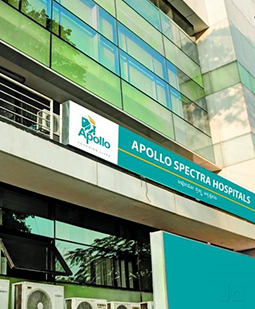
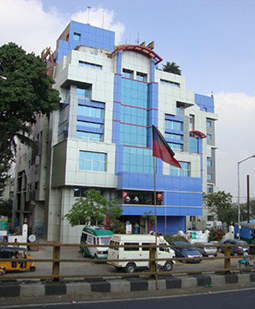
Hospitals and clinics offering GI Endoscopy in India
GI Endoscopy is listed by 14 hospitals in India. The order reshuffles every hour so each gets equal exposure.
A modern 100 bed hospital opened in 2008, located in Gurgaon, outside of New Delhi.The hospital is a part of the Columbia Asia Group, which has an international patients office able to assist foreign patients with all aspects of medical travel.
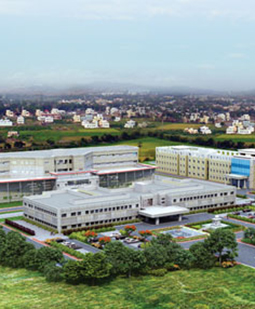
The flagship hospital of the Global Hospitals Group, which operates eight hospitals throughout India. The modern 500 bed hospital was opened in 2009, and offers advanced medical and surgical treatment, including organ transplantation, cardiac surgey and neurosurgy.
The team of surgeons possesses extremely competent skills across all forms of surgical treatment with conventional and advanced laparoscopy methods for patients who require abdominal operations.
The primary goal of the Institutes of Medical and Surgical Gastroenterology is to prevent, diagnose and treat disorders of the digestive tract, liver and pancreatico-biliary system in children and adults.
The Institutes of Gastroenterology are regarded as one of the best & top gastroenterology hospital in India. We are dedicated to the management of diseases of the digestive and hepatobiliary systems in children and adults.
One of the largest private hospitals in Chennai, containining five specialty centres: Heart Institute, Institute for Renal Sciences, Specialty Centre for Joints, OBG and Gynecology centre and a Diabetes centre.
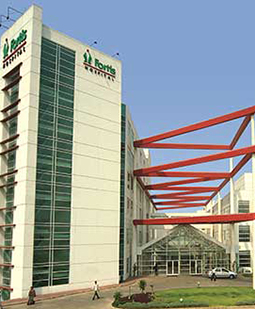
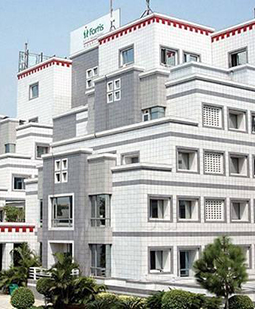
Located near Delhi, Fortis Hospital Noida is a Centre of Excellence for Orthopaedics and Neurosciences with a focus on Cardiac Sciences, Minimally Invasive Surgeries and Oncology.
Fortis Flt. Lt. Rajan Dhall Hospital is a Centre of Excellence for Cardiac Sciences, Renal Sciences, Diabetology, Pulmonology and Thoracic Sciences and a specialty center for Joint Replacement, Genito-urinary, Cosmetic Surgery and Dental care.
What is a GI endoscopy?
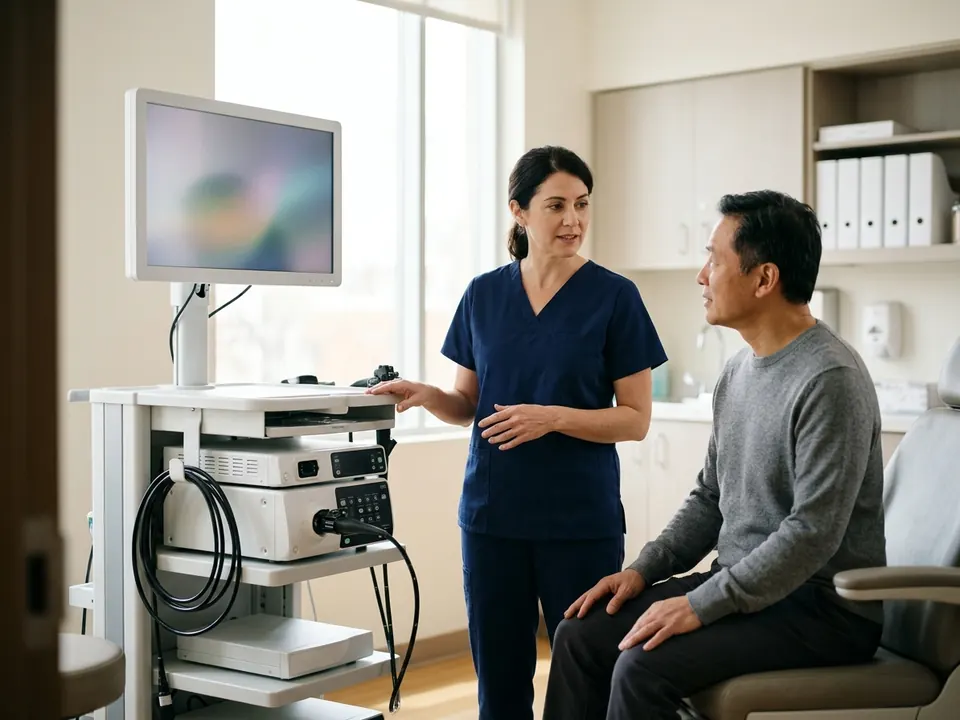
Gastrointestinal (GI) endoscopy is a procedure that examines your digestive tract using a flexible endoscopic tube with a tiny camera attached to it. This camera is connected to an eyepiece or a monitor for viewing.
GI endoscopy enables the diagnosis of various gastrointestinal diseases. It also helps in treating certain diseases by cauterizing any bleeding and removing polyps. It also allows tissue samples to be taken to perform analysis and biopsies.
A GI endoscopy is performed to diagnose and treat symptoms like stomach pain, vomiting, indigestion, ulcers, tumors, bleeding, difficulty in swallowing, and chest pain.
How to prepare for a GI endoscopy?
Before a GI endoscopy is performed, you should inform the doctor if:
You are allergic to any medicine or anesthesia
You take medicines for any disease or condition
You have bleeding problems
You are pregnant
You are diabetic and consume insulin
You’ve had surgery or treatment using radiation to your stomach, intestine or your esophagus.
What are the different types of GI endoscopy?
There are two types of GI Endoscopy:
Upper GI Endoscopy
Lower GI Endoscopy
How is an upper GI endoscopy performed?
You will need to lie on your left side. A plastic mouthpiece will be placed inside you mouth to keep it open during the entire procedure. A lubricated endoscope is passed through the mouth piece into your mouth and you need to swallow the endoscope. A small suction tube is used to clear any saliva. When the endoscope is swallowed, the doctor examines the linings of the esophagus, stomach and duodenum. According to the requirement, polyps may be removed and bleeding wounds may be cauterized during the procedure. Biopsies may be performed on tissue samples gathered from the endoscopy.
How is a lower GI endoscopy performed?
You will need to lie down on your left side, with your hips flexed back from your abdominal wall. A lubricated endoscope is inserted into your anus and into your lower abdomen. To help the endoscope move easily, you may be asked to shift your position from time to time during the procedure. The doctor will examine your colon and rectum during the lower GI endoscopy. Surgeries may be done if necessary.
About GI Endoscopy
Key facts to plan your treatment: how long it takes, your hospital stay, anaesthesia, risks and recovery.
Duration of surgery/treatment
A GI endoscopy usually takes 10 to 20 minutes with added time for any surgical procedures during the endoscopy.
Days admitted
None. GI endoscopy is done on an outpatient basis.
Anesthesia
Local anesthesia is used to spray or gargle to numb your throat.
Recovery
- If you are sedated during the procedure, you will be moved to the recovery room.
- You may experience cramps, bloating and sore throat. These side effects should disappear within 24 hours of the procedure.
- Usually, patients can eat after the procedure.
- The doctor will inform you on how soon you can get back to your regular activities.
Risks
Complications are rare. However, a few that may occur include the following risks:
For upper GI endoscopy:
- Bleeding and puncture of esophagus
- Palpitation
- Pulmonary aspiration
- Infections
- Respiratory depression among patients with liver cirrhosis and severe lung diseases
For lower GI endoscopy:
- Abdominal pain
- Bleeding
- Infection
- Dehydration
- Puncture of colon
- Cardiac arrhythmias
- Respiratory depression among patients with liver cirrhosis and severe lung diseases
- Combustible bowel gases in your colon may explode while removing polyps
After care
- After getting discharged from the hospital, patients who have had a sedative should not drive, operate machines, or consume alcohol for 24 hours after the procedure.
- The doctor’s instructions should be followed carefully.
Inform the doctor if you have the following symptoms:
- Trouble swallowing
- Throat, chest, and abdominal pain worsens
- Vomiting
- Blood in the bowel movement
- Fever
 Private Hospital


 JCI
 ISO