Several
countries around the world offer CAR-T cell therapy, including the United
States, Europe, China, and Australia. In the United States, the Food and Drug
Administration (FDA) has approved two CAR-T cell therapies for the treatment of
certain types of leukemia and lymphoma.
What is CAR-T-cell Treatment?
CAR-T-cell (chimeric antigen receptor T-cell) therapy is a type of cancer treatment that harnesses the power of the immune system to fight cancer. In this treatment, immune cells are extracted from a patient's body and genetically modified in a lab to recognize and attack cancer cells. The modified cells are then infused back into the patient's bloodstream, where they seek out and destroy cancer cells.
Sub-procedures/types of Treatment
There are currently two FDA-approved CAR-T-cell therapies: Kymriah and Yescarta. Both are used to treat certain types of blood cancer, including leukemia and lymphoma. However,CAR-T-cell therapy is a relatively new and rapidly evolving field, and clinical trials are ongoing to explore its potential for treating other types of cancer.
Other Points of Interest
CAR-T-cell therapy is a complex and specialized treatment that is not widely available. Patients seeking this treatment may need to travel abroad to find a facility that offersit. Additionally, the cost of CAR-T-cell therapy can be prohibitively high,with prices ranging from $373,000 to $475,000 per treatment in the US.
In Europe, CAR-T cell
therapy is also available, with several countries offering this treatment,
including Germany, France, and the United Kingdom. The cost of CAR-T cell
therapy in Europe can vary depending on the country and the specific treatment
being offered. In general, the cost is lower than in the US, with estimates
ranging from €300,000 to €400,000.
China has also emerged
as a major player in the field of CAR-T cell therapy, with several hospitals
and medical centers offering this treatment. The cost of CAR-T cell therapy in
China is generally lower than in the US and Europe, with estimates ranging from
$70,000 to $150,000.
Australia has also
recently approved CAR-T cell therapy for the treatment of certain types of
leukemia and lymphoma. However, as with the other countries, the cost of CAR-T
cell therapy in Australia can be high, with estimates ranging from AUD$500,000
to AUD$750,000.

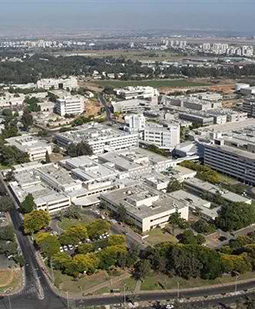 Public Hospital
 JCIPrice on request
 ISO