The largest medical center in Israel and the Middle East, internationally renowned for it's medical excellence. Around 31,000 inpatients are treated annually.
DoctorsEFProf. Eitan FriedmanZSProf. Zvi SymonView all 18
PricesStereotactic Body Radiation Therapy upon request
The Oncology Institute serves a broad population of cancer patients from central Israel and throughout the country. The fast-track appointment service enables patients to be seen for their initial visit within 48 hours of contacting the institute.
DoctorsIWProf. Ido WolfYKProf. Yehuda KolanderView all 4
PricesStereotactic Body Radiation Therapy upon request
The Oncology Institute at Rambam Health Care Campus is a multi-disciplinary center for cancer treatment. It is certified by the European Society for Clinical Oncology (ESMO) as an integrated center for cancer treatment and support services, and is the only institute of its kind in Northern Israel.
DoctorsRBProf. Rechamim Ben-josefDKDr. David KakiashviliView all 11
PricesStereotactic Body Radiation Therapy upon request
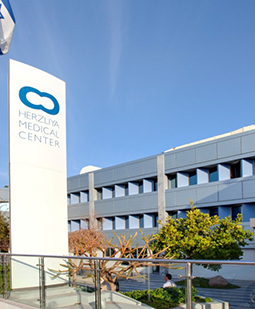
A private hospital located on the shorelines of Herzliya, just off Tel Aviv, offering healthcare services to both local and foreign patients. The hospital is affiliated with over 500 Israeli physicians, many of whom hold high level positions at public hospitals.
DoctorsGLDr. Guttman LiveASProf. Aaron SulksView all 5
PricesStreotactic Body Radiation Therapy upon request
Description of Stereotactic Body Radiation Therapy:
Stereotactic Body Radiation Therapy (SBRT)
Stereotactic body radiation therapy (SBRT) is also called stereotactic ablative radiotherapy (SABR). It administers very high doses of radiation, using several beams of various intensities aimed at different angles to the body to precisely target the tumor. However, the tissues around it only receive a low dose.
What does SBRT treat?
This type of radiotherapy is mainly used to treat very small cancers, including cancer of the lung, Cancers in the lymph nodes, Spinal cord tumors and Cancer that started in the liver or cancer that has spread to the liver.
Preparation for the procedure
You may be asked not to eat or drink anything after midnight on the night before your treatment. You should discuss with your doctor any concerns. First you get a CT scan then an MRI or PET scans of the area to be treated. A computer program then designs radiation beams that follow the shape of the tumor to ensure that the entire tumor is inside the radiotherapy field and healthy tissue is avoided as much as possible.
The radiographers may make marks on your skin make sure the same area is treated at each session. A mould or mask keeps the treatment area completely still so that treatment is as accurate as possible. Any markings are made on the mask, instead of your skin. Metal markers may be put in or near your tumor. A small gold pellet or rod is released once the tip of the needle is in the right place.
Having SBRT treatment
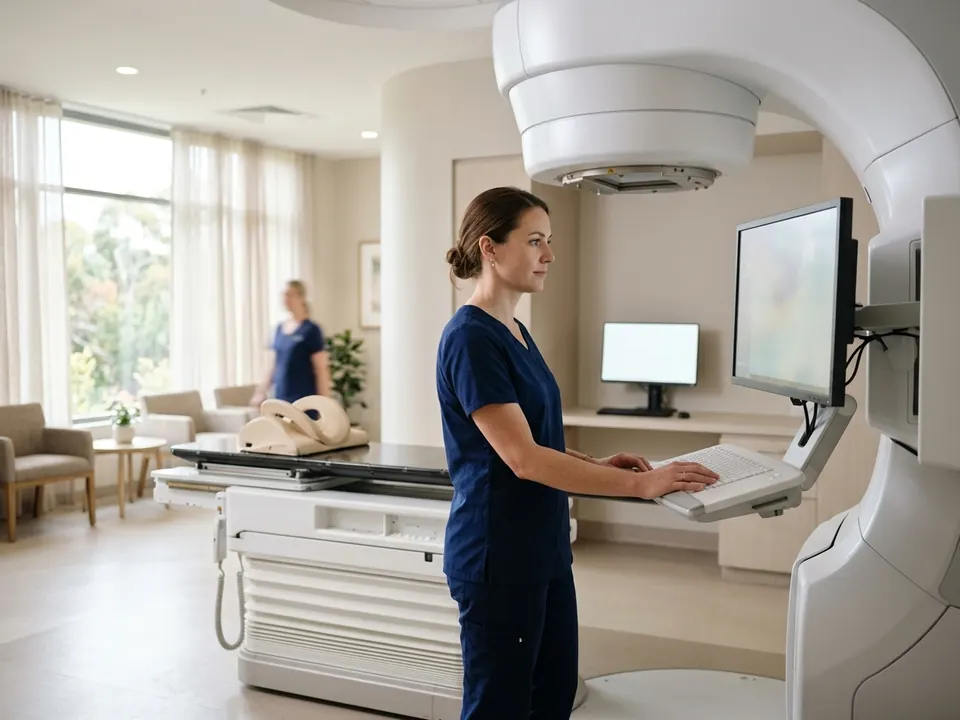
Techniques such as SBRT, aim to maximize the capabilities of destroying cancer while minimizing the radiation effect on healthy tissue. A treatment team creates your treatment plan in a few days to 2 weeks. Machines used for this therapy include the Linear accelerator (LINAC) and CyberKnife radiotherapy machine.
To have the treatment you lie on a radiotherapy couch and any moulds that you may need are put in place. The staff then leaves the room so as not to be exposed to radiation. The treatment lasts between 15 minutes to 2 hours. It is important to stay very still throughout the treatment. The machine makes a beeping noise from time to time. Once the treatment is over you can get down from the treatment couch
Possible side effects include:
headaches
soreness and swelling in the treatment area
urinary and bladder changes
secondary cancer
fracture of bones
hair loss in the treatment area
mouth problems and difficulty swallowing
eating and digestion problems
nausea and vomiting
brain changes
spinal cord changes
colon and rectal changes
infertility
joint changes
lymphedema
About Stereotactic Body Radiation Therapy
Key facts to plan your treatment: how long it takes, your hospital stay, anaesthesia, risks and recovery.
Number of sessions required
Usually, you have between 1 to 8 treatments given as a single dose or up to five doses once a day. This can vary depending on the type and location of the tumor and the patient’s condition.
Recovery
Information coming soon. Request a consultation for personalized recovery guidance. Get Quote →
After care
These treatments are normally performed on an outpatient basis. However, you may need to spend up to a half-day or more at the facility. It is advisable to have someone accompany you and drive you home afterward.
 Public Hospital
 JCIPrice on request
 ISO