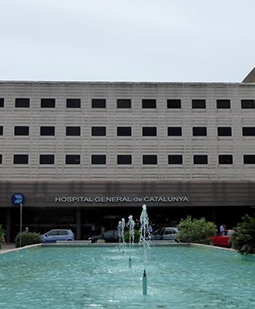
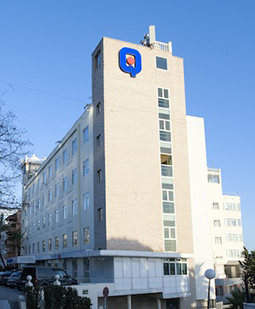
Fundació Puigvert state-of-the-art high technology equipment, including robotic surgery and minimally invasive approach, together with some of the world’s leading specialists and over 60 years of experience, allow the clinic to have served over 600.000 patients
DoctorsJPProf. Juan Palou Redorta, Prof, MD, PhDERProf. Eduard Ruiz CastañéView all 7
Urology is the medical-surgical speciality covering study, diagnosis and treatment of pathologies that affect the urinary system, suprarenal glands and retroperitoneal glands of both sexes and the male reproductive system, with no age limit.
Sanitas Hospitales is among the foremost programs for delivering sophisticated, patient-centered care across the entire spectrum of adult and adolescent urological conditions.
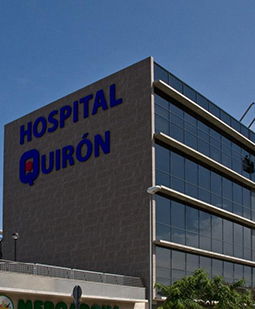
With more than 36 medical specialties, 200 physicians and surgeons of the highest level, Quironsalud Hospital Malaga is one of the most pertinent hospitals in Spain.
The Department of Urology has the expertise to deal with Urinary tract obstruction , Stones, Prostate enlargement, infections & Male Infertility & Impotence.
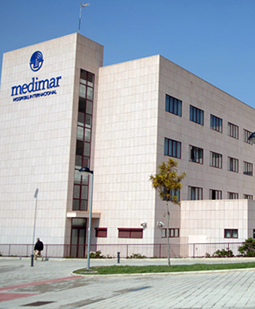
Medimar International Hospital is a tetriatry care hospital with 200 physicians, 50 resident and 150 affiliated, providing healthcare services to the residents of Alicante, as well as to over 25,000 foreign patients a year.
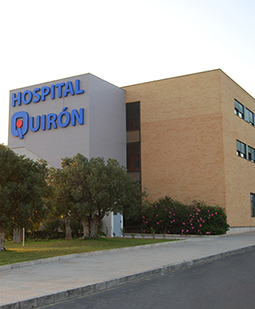
Quironsalud Hospital Torrevieja is an ISO-certified private hospital located in the north of Torrevieja, championing excellence in cancer treatment and management. IMTJ Best International Hospital of the world (awards 2017)
This international hospital incorporates prestigious doctors, invests in research and development, technology and continuing education that enhances skills, in facilities, and in an increased operational efficiency in order to provide nothing but the best
An ISO certified modern private hospital, which was opened in 2006, and is part of the Quironsalud Hospital Group. This tertiary care hospital has certified medical specialties capable of treating the most complicated medical cases.
What are the methods of removing Kidney Stones?
There are a number of ways in which kidney stones can be removed. In most cases, drinking plenty of water helps the stone to move and pass out of the urinary tract in urine. The doctor may ask the patient to keep the kidney stones that have passed out in the urine, which will be used to conduct tests.
Some of the methods in which kidney stones are removed are discussed below:
Lifestyle Changes
The patient should drink a lot of water throughout the day to pass as much urine as possible.
Recent findings show that calcium rich foods like dairy products help in preventing calcium stones. Calcium pills, however, may raise the risk of forming stones.
Food containing extra vitamin D and some antacids that contain calcium may need to be avoided.
Patients with acidic urine may need to lower their food intake of meat, fish, and poultry.
Medications
The following kinds of medications may be prescribed:
Medicines that control the levels of alkali or acid in the urine to prevent calcium and uric acid stones
Medicines to reduce hypercalciuria, which reduces the calcium amounts discharged by the kidney and retains the calcium in the bone
In rare cases, sodium cellulose phosphate may need to be taken to retain calcium in the intestines and stop any leakage into the urine.
Medicines like Thiola and Cuprimine to reduce cystine amounts in the urine
Acetohydroxamic acid (AHA) may be prescribed along with antibiotic medicines to prevent infection that may be caused by struvite stones that cannot be removed. Infection may lead to the growth of stones.
Surgical Treatments
Kidney stones are removed surgically if the following conditions occur:
The stone causes severe pain and cannot be passed out in the urine.
The size of the stone is very large and it lies immovable in a particular location.
The flow of urine is blocked by the stone.
The stones are causing kidney damage and bleeding.
The stones are causing urinary tract infection for a prolonged period.
The size of the stone keeps growing larger.
The surgical treatments include the following:
Extracorporeal Shock Wave Lithotripsy (ESWL)
This is the most common method of kidney stones removal. During ESWL, shock waves are passed into the body from outside the body through the skin and tissues until the shock waves reach the kidney stones. The stones are broken into tiny parts and are then passed out of the urinary tract in the urine.
Percutaneous Nephrolithotomy
Percutaneous nephrolithotomy is recommended if the kidney stone is large and cannot be effectively remove by ESWL. A tiny incision is made on the patient’s back and a nephroscope is inserted into the kidney to remove the stone. Before a large stone is removed, the stone may need to be broken into smaller parts with the help of ultrasonic or electrohydraulic energy probe.
Ureteroscopic Stone Removal
Ureteroscopy may be required to remove stone in the ureters that cannot be removed by ESWL. A ureteroscope is inserted into the ureters through the urethra and bladder. When the stone is located, it is removed or shattered using shock wave.
About Kidney Stones Removal
Key facts to plan your treatment: how long it takes, your hospital stay, anaesthesia, risks and recovery.
Recovery
Information coming soon. Request a consultation for personalized recovery guidance. Get Quote →
After care
Information coming soon. Request a consultation for personalized recovery guidance. Get Quote →

 Private hospital
 ISOPrice on request

 JCI